

Oil may temporarily coat a dry mouth and feel comfortable, but it does not correct low saliva production. Saliva protects enamel, helps swallowing and limits microbial growth, so persistent dryness needs proper assessment.
What causes dry mouth?
- Dehydration and mouth breathing.
- Medicines, including some allergy and antidepressant treatments.
- Stress, smoking and alcohol.
- Systemic illness or salivary-gland disorders.
- Head and neck cancer treatment.
Does oil pulling stimulate saliva?
Moving liquid around may briefly increase moisture or saliva flow, but that does not mean xerostomia has been treated. Symptoms may return afterwards.
Important precautions
- Use only a small, controllable amount. Swallowing difficulties increase choking risk; do not practise oil pulling if you cannot swallow and spit safely.
- Stop if the jaw becomes tired or uncomfortable.
- Do not add irritating essential oils.
- Brush afterwards with fluoride toothpaste.
- Drink water regularly but do not ignore the underlying cause.
Why does dryness increase decay risk?
Less saliva means weaker acid neutralisation and less natural cleaning. An oil coating does not provide fluoride protection. People with persistent dryness often need individually tailored prevention.
When should you seek advice?
- Dryness lasts more than a few weeks.
- You wake with a completely dry mouth.
- Dry food is difficult to swallow.
- Decay, burning or fungal infections recur.
- Symptoms started after a new medicine.
Do not stop prescribed medicine without advice. Discuss persistent dryness with a doctor and dentist.
Related guides
- Dry mouth: causes
- Dry mouth at night and breathing
- Oil pulling and bad breath
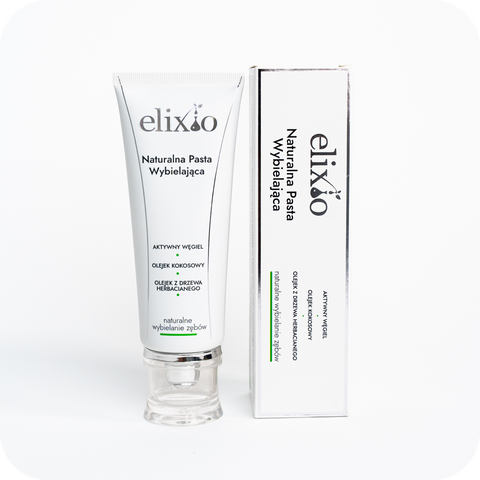
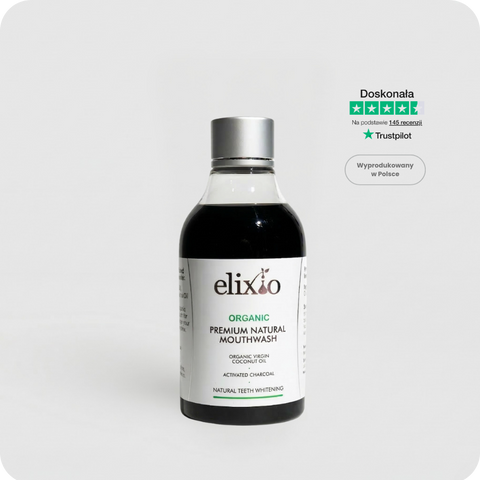
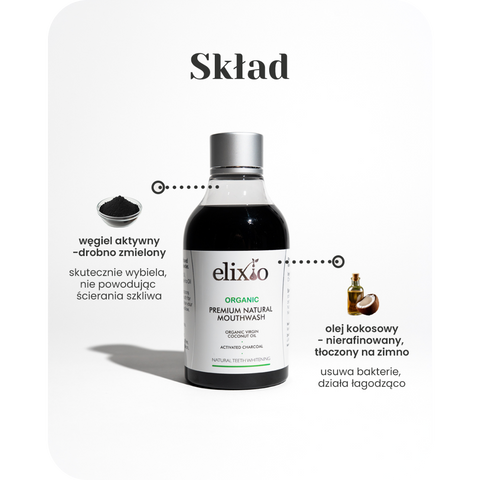
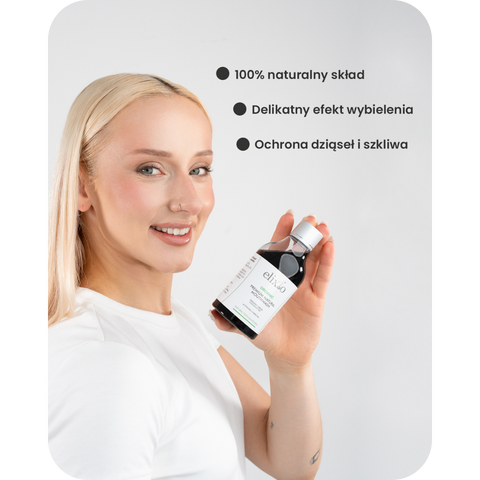
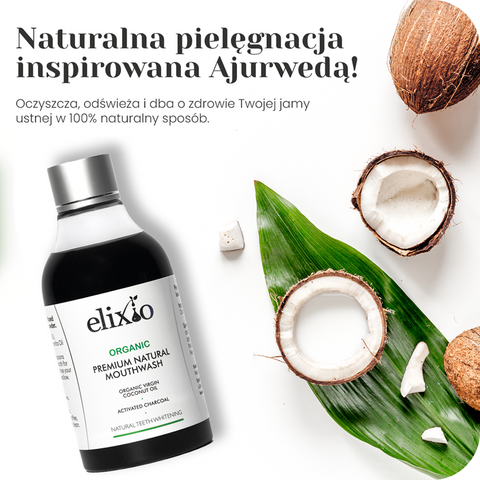
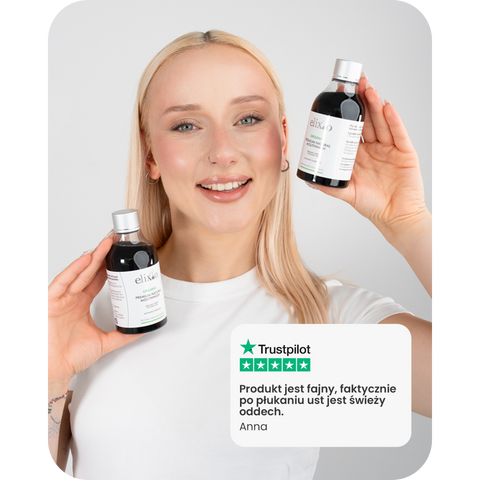
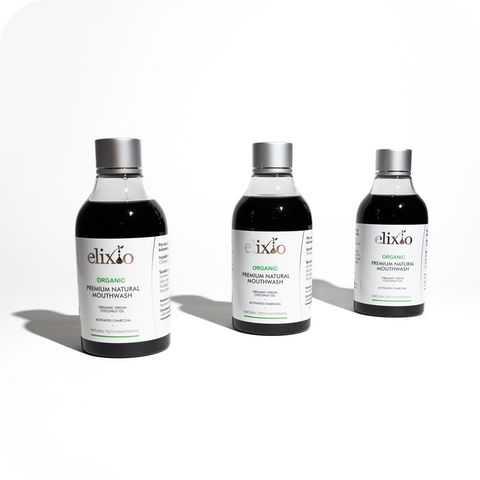
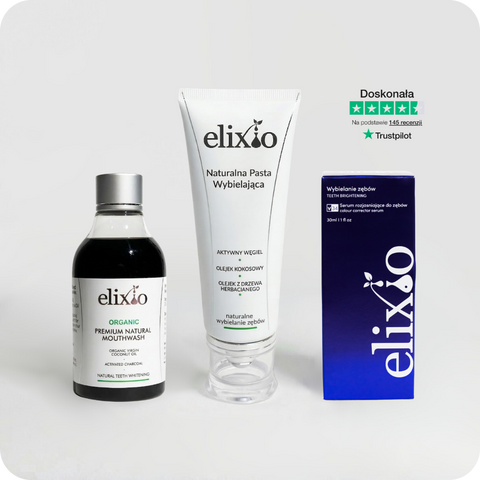
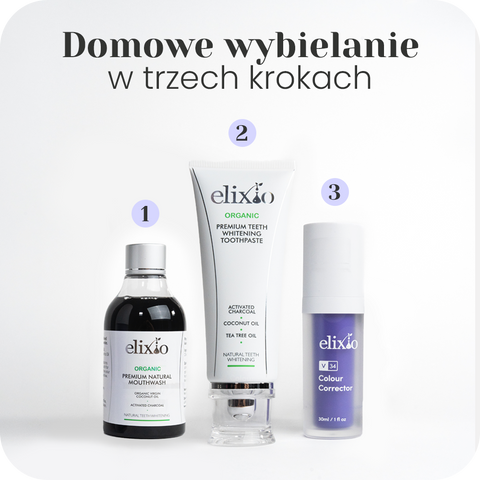
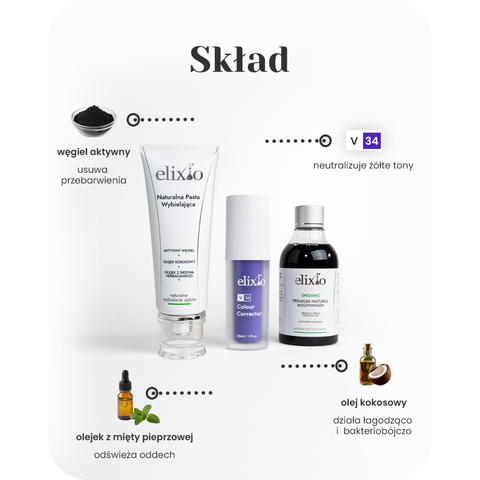
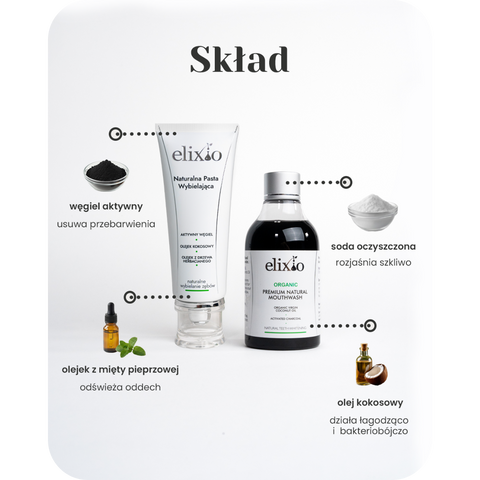
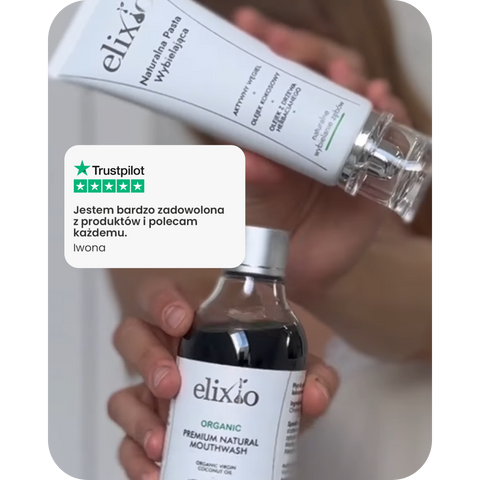
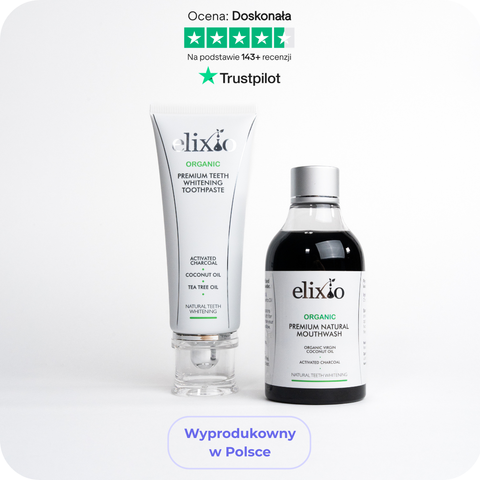
Elixio Coconut Oil Pulling Mouthwash is an optional routine product, not a treatment for dry mouth.
FAQ
Can oil replace a dry-mouth preparation?
No. Specialised products and treatment are selected according to the cause.
Can you sleep with oil in your mouth?
No. This would create a risk of swallowing or aspiration.