
Does whitening toothpaste damage enamel? The answer is not simply yes or no. It depends on the formula, intended use, brushing technique, toothbrush stiffness, frequency and the condition of your teeth.
Whitening toothpaste usually works differently from chemical whitening. Its main role is to remove surface stains. Problems are more likely when users chase faster results by brushing harder, brushing for too long or adding abrasive DIY ingredients.
How does whitening toothpaste work?
Depending on the formula, it may use polishing ingredients, enzymes or other components that loosen surface deposits. Teeth can look brighter after stains from coffee, tea, wine or tobacco are removed. Toothpaste does not change dentine colour or remove internal discolouration.
What is toothpaste abrasivity?
Every toothpaste cleans partly through mechanical action. Abrasivity is not automatically harmful, because it helps remove plaque and deposits. Risk increases when a stronger product is combined with excessive pressure or used on vulnerable surfaces.
The real effect depends on the type and amount of cleaning particles, pressure, bristle stiffness, brushing time, frequency, exposed roots, acid erosion and tooth grinding.
The most common problem: brushing too hard
More pressure does not necessarily mean better cleaning. It may irritate gums, wear areas near the gumline and increase sensitivity. Hold the toothbrush lightly and use controlled movements. Bristles that quickly splay out can indicate excessive force.
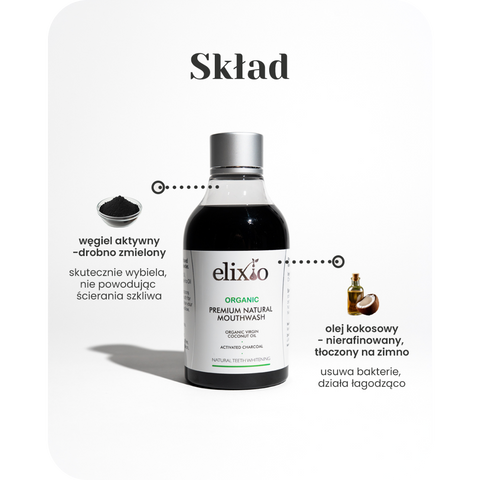
Is activated charcoal safe?
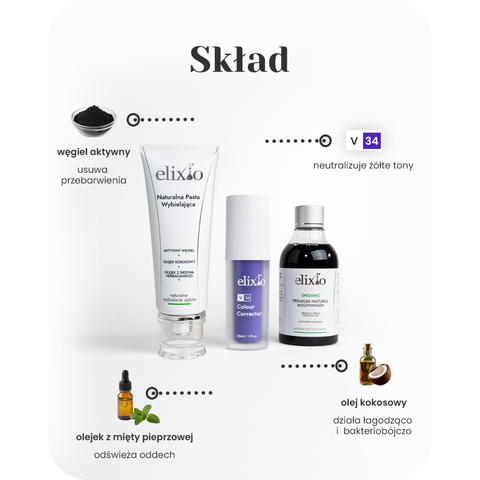
The formulation matters. A finished toothpaste contains ingredients in controlled proportions and is not equivalent to brushing with loose charcoal powder, crushed tablets or homemade mixtures.
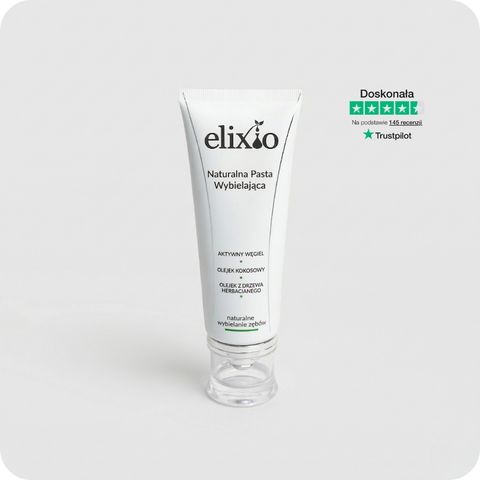
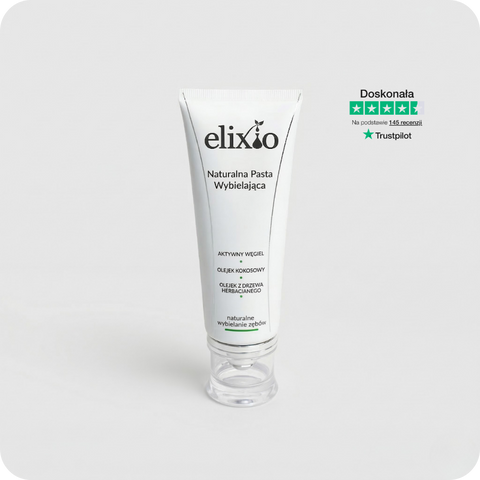
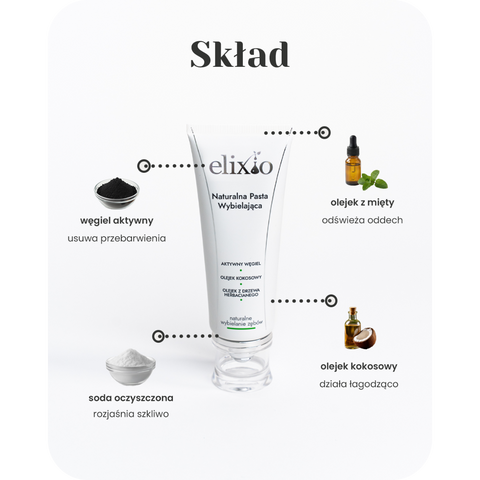
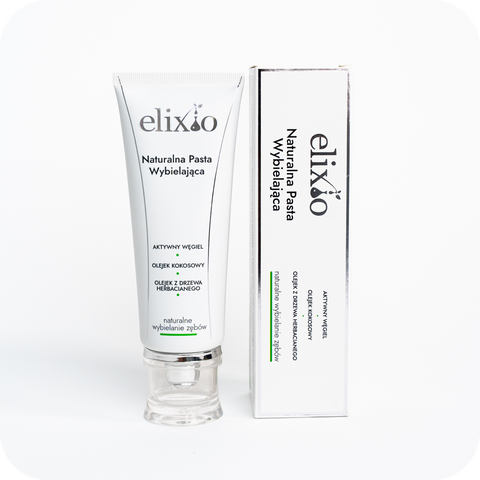
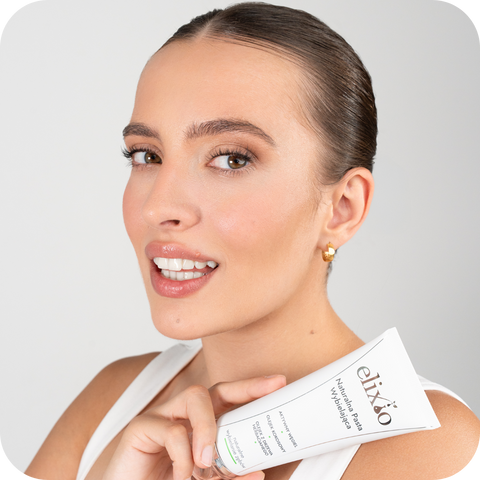
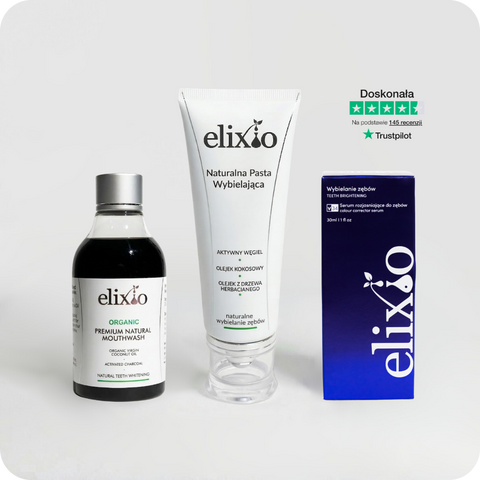
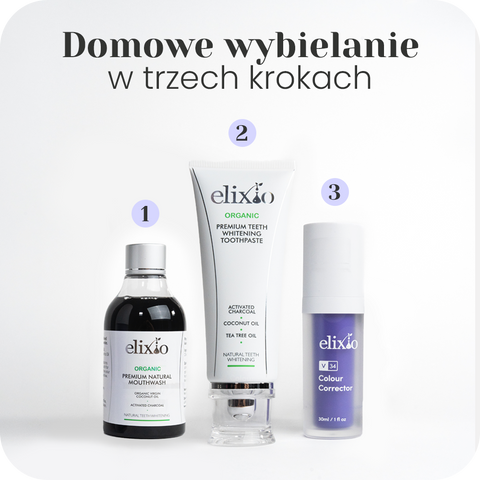
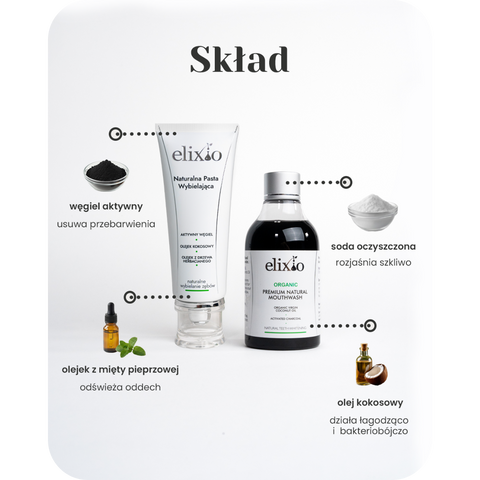
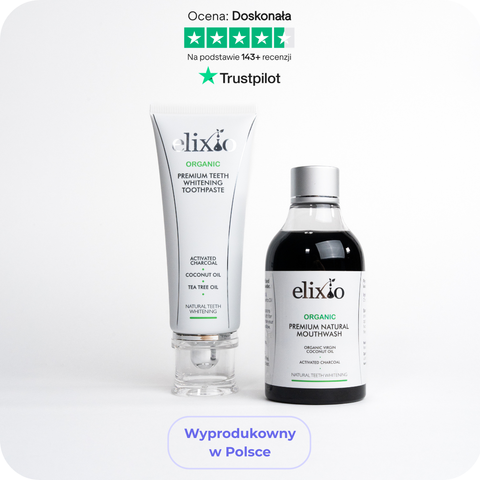
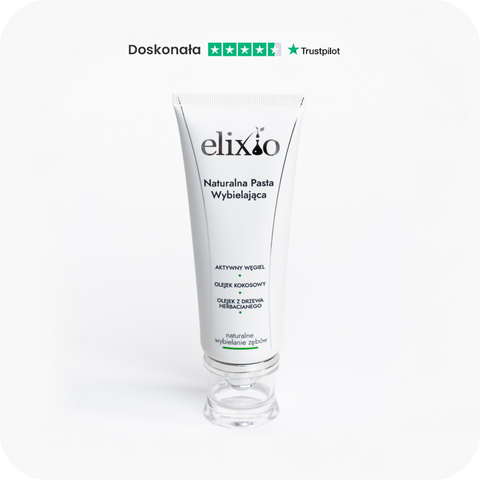
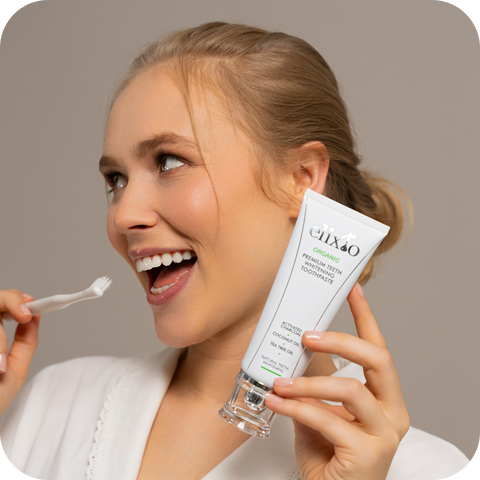
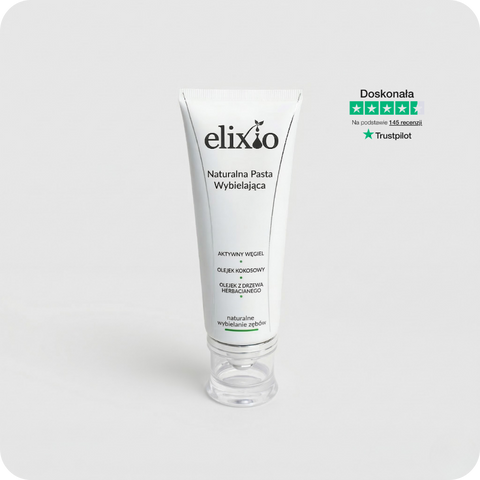
Elixio Activated Charcoal Whitening Toothpaste is intended for everyday care and removal of surface deposits. Use it as directed without increasing brushing pressure.
Who should take extra care?
- People with pronounced sensitivity.
- People with exposed roots or enamel erosion.
- People who have recently undergone whitening.
- People with gum disease.
- People who habitually brush hard.
- Children when the product is not intended for their age.
Signs that your routine may be too aggressive
- Increasing sensitivity to hot or cold.
- Pain during brushing.
- Burning or bleeding gums.
- Visible gum recession.
- Notches near the gumline.
- A toothbrush that wears out unusually quickly.
These signs do not prove that toothpaste is the cause, but they warrant reviewing the routine and seeking professional advice if they persist.
How to use whitening toothpaste safely
- Use a soft toothbrush unless advised otherwise.
- Apply light pressure.
- Brush for approximately two minutes, not until teeth look “perfectly white”.
- Do not combine it with baking soda, salt, lemon or charcoal powder.
- Avoid stacking several intensive products without advice.
- Monitor sensitivity and gum comfort.
- Have tartar removed professionally rather than trying to scrub it away.
Toothpaste versus chemical whitening
Toothpaste mainly removes external deposits. Chemical whitening uses agents that penetrate tooth tissues and alter coloured compounds. These different mechanisms produce different effects and potential side effects.
Read our guide to whitening teeth safely at home.
What can toothpaste not repair?
- Decay or a cracked tooth.
- Tartar.
- A dead, darkening tooth.
- Discoloured crowns or fillings.
- Enamel defects.
- Gum disease.
FAQ
Can whitening toothpaste be used every day?
Follow the specific product directions. A toothpaste intended for daily use can be used regularly if it remains comfortable and brushing is gentle.
Does a hard toothbrush improve results?
No. Hard bristles and heavy pressure may increase irritation and wear. Technique matters more than force.
Does sensitivity always mean damaged enamel?
No. It can have several causes, including exposed roots, decay, cracks, erosion or recent whitening. Persistent sensitivity needs assessment.
This article is educational and does not replace dental advice.