
Teeth can change colour for many reasons: soft deposits from drinks, hardened tartar, natural dentine showing through enamel or changes inside the tooth that toothpaste cannot remove. Recognising the type helps avoid ineffective experiments and identifies when dental assessment is needed.
Two main types
External discolouration
This forms on the enamel surface and is often linked to plaque, tartar, smoking and pigmented food or drinks. It may improve with correct brushing, a toothpaste for surface stains or professional cleaning.
Internal discolouration
This occurs within the tooth and may relate to development, trauma, root-canal treatment, pulp disease or medicines taken while teeth were forming. Whitening toothpaste cannot mechanically remove it.
1. Coffee, tea and red wine
Strong pigments readily attach to plaque, especially when drinks are sipped for hours. Water, a shorter drinking period and thorough hygiene can help.
2. Smoking and tobacco
Nicotine and tar encourage dark deposits and raise the risk of gum disease. Stopping tobacco and attending dental reviews matter more than simply whitening more often.
3. Plaque and tartar
Soft plaque traps pigments. Once mineralised, tartar cannot be removed with a home toothbrush and may look yellow, brown or dark near the gumline. Scaling and polishing are then more important than changing toothpaste.
4. Natural dentine colour
Healthy teeth are not always white. Enamel is partly translucent and dentine naturally has a warmer tone. As enamel thins with age, this colour becomes more visible. Surface cleaning cannot change genetically determined dentine.
5. Decay and defective fillings
A dark dot or line can be decay or leakage around a restoration. Enlarging spots, trapped food or pain require examination.
6. Dental trauma
A tooth may darken long after an impact. A single grey tooth needs pulp assessment even without pain.
7. Root-canal treatment
A treated tooth may differ from its neighbours. Ordinary toothpaste will not correct that; a dentist may consider internal whitening or restoration.
8. Medicines and enamel development
Some internal changes form while teeth develop and can appear white, yellow, brown or grey. Aggressive abrasion will not remove their cause.
9. Mineral changes
White spots can have several causes, including early demineralisation. They deserve assessment, especially near the gumline, after orthodontic treatment or when the surface is rough.
Initial guide
| Appearance | Possible cause | Action |
|---|---|---|
| Even yellow tone | Natural dentine or deposits | Improve hygiene and consider assessment |
| Brown deposit near gums | Tartar and pigments | Professional cleaning |
| Dark pit | Deposit or decay | Dental check |
| One grey tooth | Trauma or pulp problem | Prompt assessment |
| Chalky white spots | Mineral change | Diagnosis; avoid aggressive abrasion |
What can whitening toothpaste do?
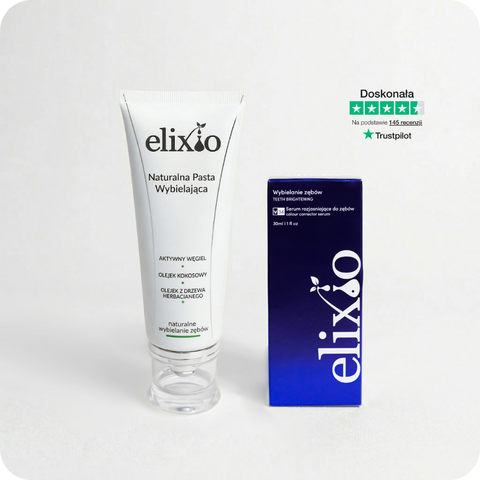
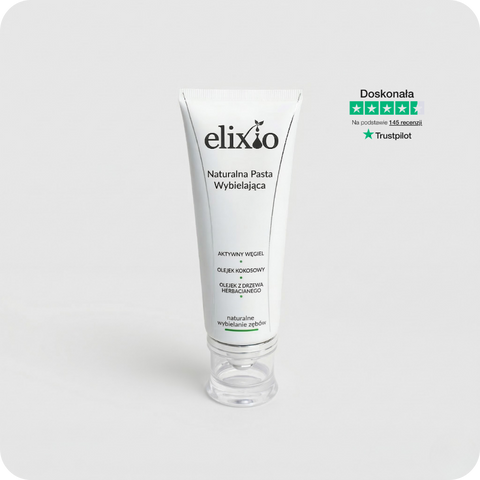
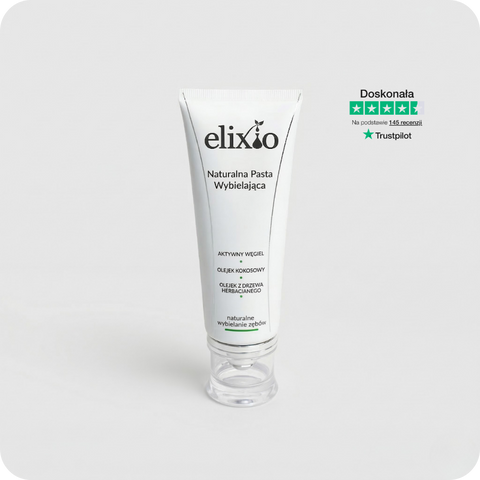
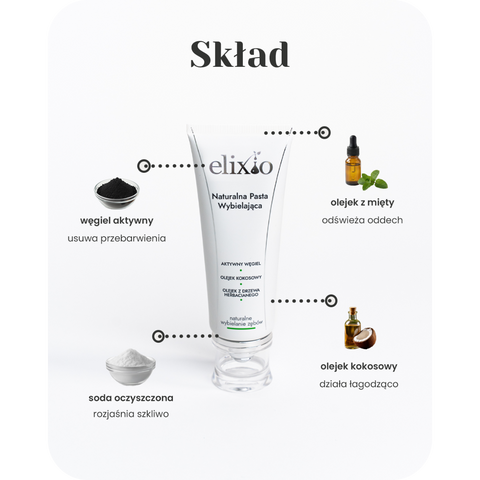
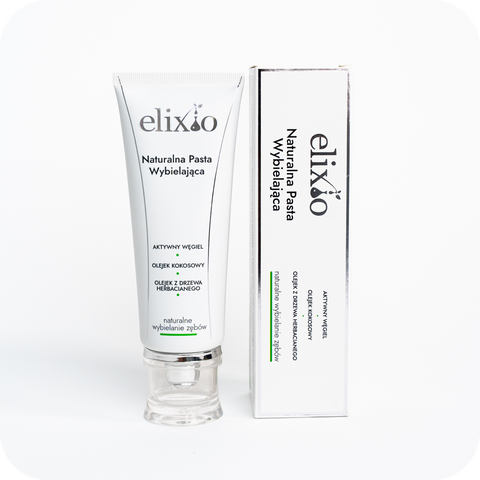
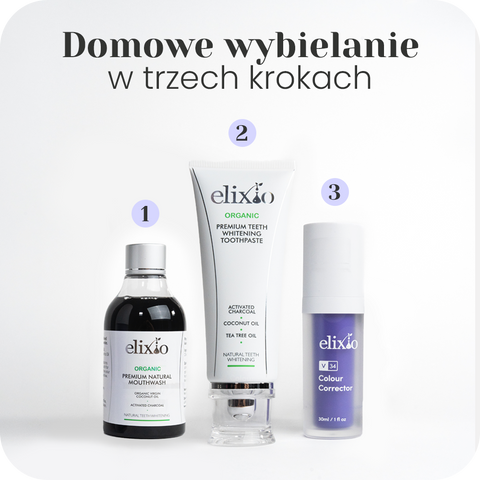
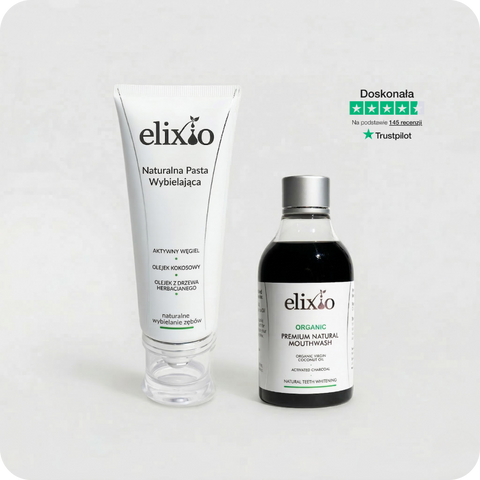
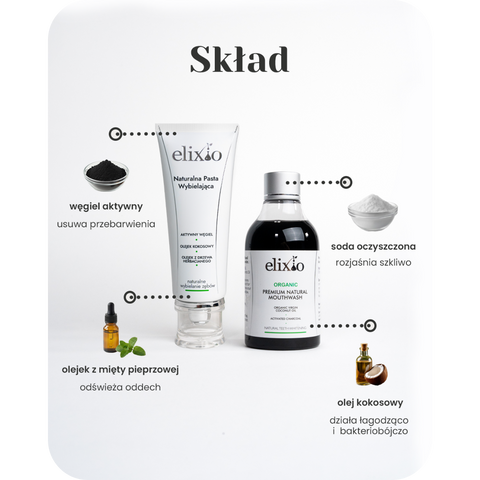
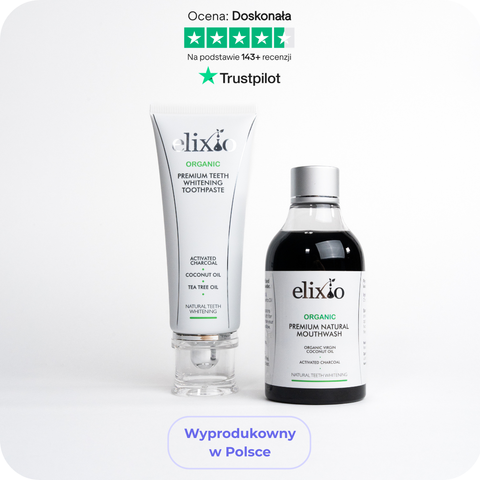
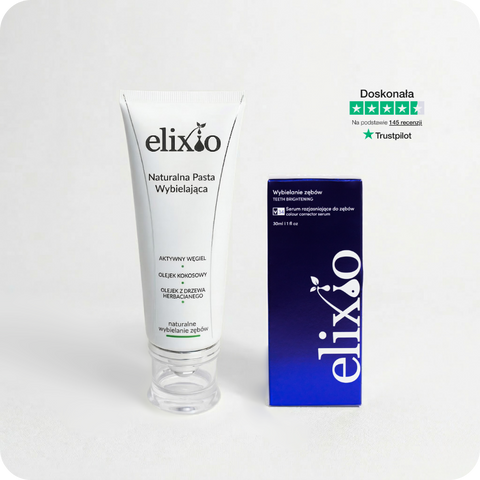
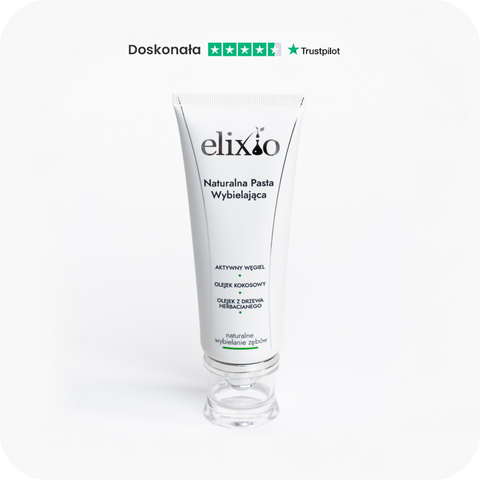
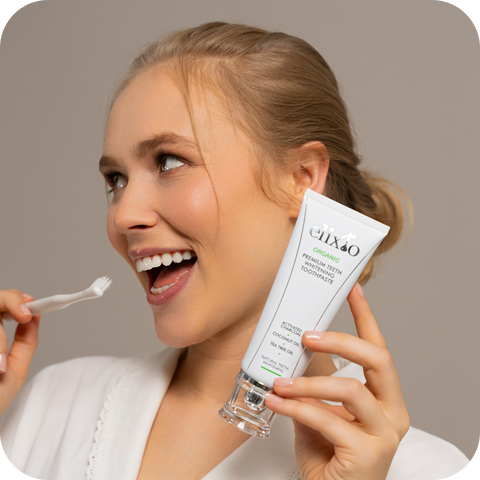
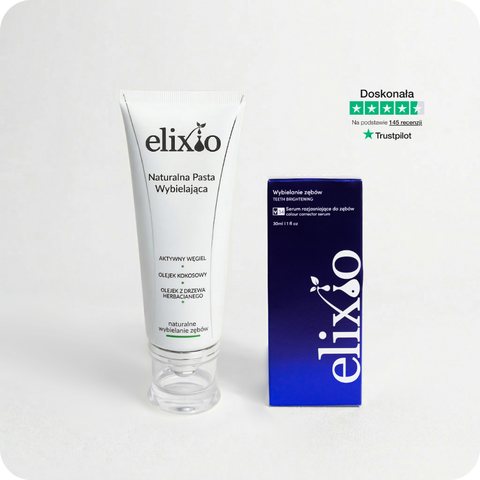
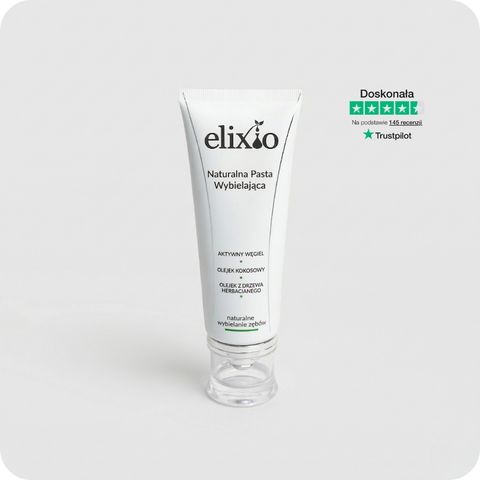
It mainly targets surface deposits. It may improve the appearance of teeth stained by drinks or food, but will not remove tartar, treat decay or change a non-vital tooth internally. See Elixio Activated Charcoal Whitening Toothpaste for surface-care use.
When must you seek advice?
- One tooth changes colour.
- A spot grows.
- Pain, swelling or sensitivity appears.
- Gums bleed or recede.
- A dark area lies beside a filling.
- White spots appear suddenly or feel rough.
- Home care brings no improvement.
FAQ
Are all yellow teeth stained?
No. A warm shade may be natural dentine.
Can you scrape a stain off?
Do not try; sharp tools can damage enamel and gums.
Do all teeth whiten equally?
No. Cause and material matter; crowns, veneers and fillings respond differently.
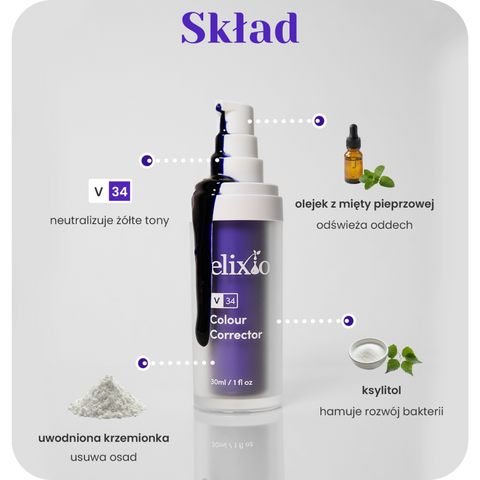
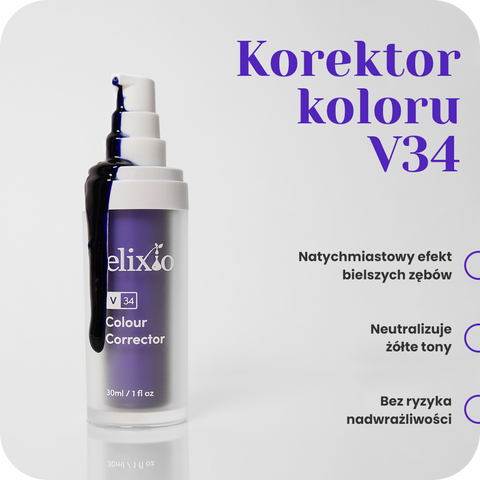
Does V34 remove the cause?
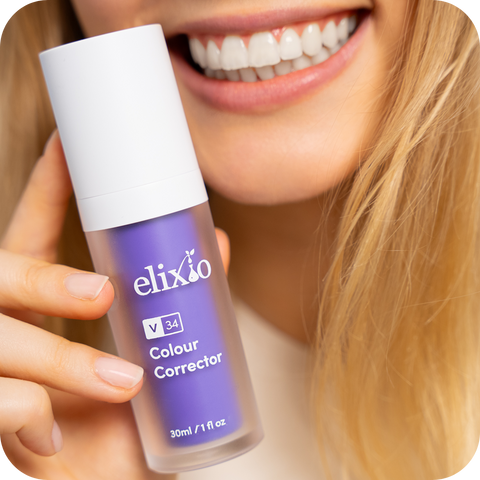
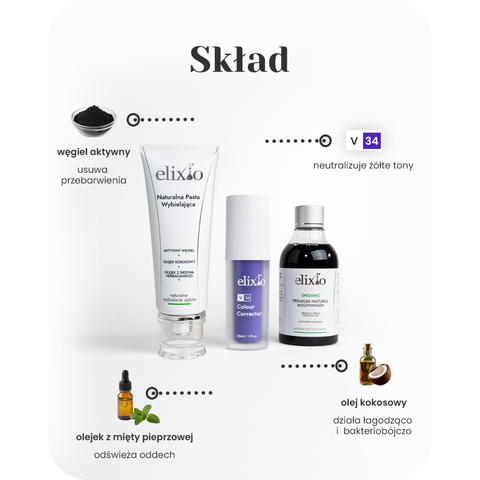
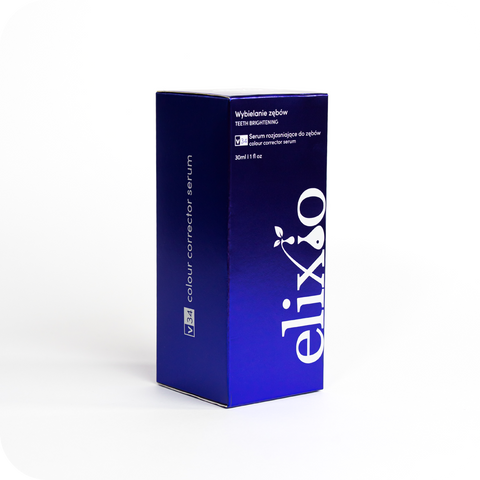
No. It temporarily changes the appearance of yellow tones and does not replace cleaning or diagnosis.
Summary
Discolouration may be external or internal. Toothpaste and hygiene mainly help with surface deposits. Localised, painful or persistent changes should be examined.