

Choosing a toothpaste flavour may seem like a minor decision, but it can affect brushing comfort and consistency. Some people need a strong feeling of freshness, others avoid mint, and some quickly become tired of one aroma. A pleasant flavour should make oral hygiene easier, but it should not be the only criterion. First check the intended use, ingredients, fluoride content and your individual dental needs.
Where should you start?
Ask yourself four questions:
- Do I like the cooling sensation of mint?
- Do intense flavours cause burning or discomfort?
- Do I prefer fruity, creamy or classic flavours?
- Is the toothpaste for an adult, teenager or child?
The answers quickly narrow down the options. If you do not tolerate mint, you can start with coconut or bubble gum. If you prefer light fruit flavours, watermelon or banana may suit you. Mild mint is a middle ground.
Comparison of popular flavours
| Flavour | Character | Who might like it? |
|---|---|---|
| Watermelon | Light, fruity and summery | People who want a clear fruit flavour without strong cooling |
| Bubble gum | Sweet, dessert-like and intense | People who want to avoid the classic toothpaste taste entirely |
| Coconut | Mild, creamy and calm | People who are sensitive to sharp flavours |
| Banana | Soft, sweet and fruity | People who prefer gentle, less acidic flavours |
| Mild mint | Fresh but less intense | People who want classic freshness without strong burning |
Watermelon – for fans of light fruit flavours
Watermelon is a good starting point if you want to move away from mint but do not enjoy very sweet aromas. It can work well in the morning because many people find that it affects the taste of breakfast less than intense mint. You should still assess the complete formula, not just the flavour name.
Bubble gum – a sweeter alternative
Bubble gum has the most dessert-like profile. It is often chosen by adults who dislike mint, as well as older children and teenagers. With children, take particular care that the pleasant flavour does not encourage them to swallow the product.
Coconut – mild and creamy
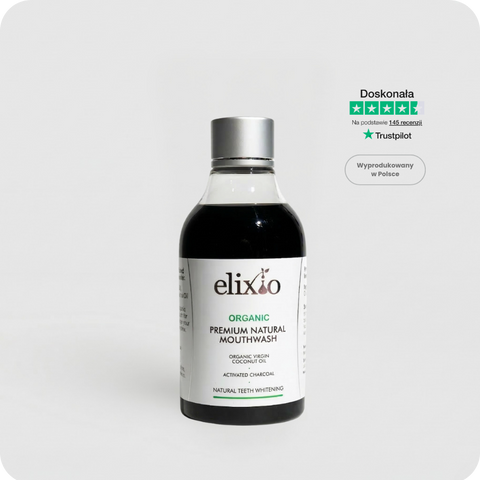
Coconut often suits people who prefer calm flavours. It can be comfortable in the evening and fit a routine that includes oil pulling, but coconut toothpaste and mouth-rinsing oil are separate products. A flavour name does not automatically mean that the toothpaste contains coconut oil.
Banana – a soft fruit profile
Banana may suit people who find watermelon too pronounced and bubble gum too dessert-like. It is a gentler fruit option. As with other flavours, cleaning performance depends on the complete formula.
Mild mint – a middle ground
If you like the feeling of freshness but strong mint causes discomfort, a milder version may be the best compromise. You do not need to give up mint completely to reduce burning and excessive cooling.
How do you choose a flavour for a sensitive mouth?
If intense toothpastes cause burning, choose a milder flavour and observe your reaction. Flavour itself is not always the cause. Irritation may be due to another ingredient or an existing condition of the oral mucosa. Consult a dentist if you have recurring mouth ulcers, swelling, pain or persistent burning.
How do you choose toothpaste for a child?
For children, flavour is only one of several considerations. More important are:
- the age indication,
- fluoride content,
- the recommended amount of toothpaste,
- the ability to spit it out,
- adult supervision,
- individual risk of tooth decay.
Not every fruity or sweet-tasting toothpaste is a children's product.
Can you keep several flavours at the same time?
Yes. Rotation is a practical way to avoid flavour fatigue. For example:
- mild mint in the morning and coconut in the evening,
- watermelon on weekdays and bubble gum at the weekend,
- one flavour at home and another in a travel bag,
- changing the variety when a pack is finished.
There is no need to use several products during one brushing session.
The seven-day test
If you find it difficult to decide, give one flavour a week. Assess not only your first impression, but also:
- whether you brush for the full two minutes,
- whether you are more willing to brush in the evening,
- whether the flavour becomes tiring after a few days,
- whether irritation appears,
- whether your mouth feels comfortable after brushing,
- whether the regular routine is easy to remember.
What can flavour not tell you?
Flavour does not tell you:
- the fluoride concentration,
- whether the toothpaste is suitable for sensitivity,
- how abrasive it is,
- whether it is suitable for a child,
- whether it suits people with braces,
- whether it has whitening properties.
Always read the product description and ingredient list.
Flavour and fresh breath
Strong mint gives an intense feeling of freshness, but it does not automatically mean better cleaning. A fruit- or coconut-flavoured toothpaste can support fresh breath if you thoroughly remove plaque and clean your tongue and the spaces between your teeth. Persistent bad breath requires investigation of the cause.
Common mistakes when choosing
- choosing only by the colour of the packaging,
- assuming that fruit flavour means a product is for children,
- believing that stronger mint cleans better,
- ignoring information about intended use,
- swallowing toothpaste because it tastes pleasant,
- changing the product after one use,
- expecting benefits that the formula does not support.
A simple route to a choice
- Do you dislike mint? Start with coconut, watermelon or bubble gum.
- Do you dislike very sweet flavours? Choose watermelon or mild mint.
- Do you want the mildest profile? Consider coconut or banana.
- Is classic freshness important? Choose mild mint.
- Do you quickly tire of one flavour? Buy two different flavours and alternate them.
FAQ
Which flavour is least minty?
Coconut, watermelon, banana and bubble gum may have no typical mint profile, but check the description of the specific variety.
Which flavour should you try first?
Watermelon is light and fruity, while coconut is mild. These are two good starting points if you want to move away from mint.
Can I change flavour every day?
Yes, provided that every toothpaste you use is suitable for daily use.
Does sweet-tasting toothpaste contain sugar?
You cannot determine that from the flavour. Check the ingredient list.
Does flavour affect whitening?
No. Whitening properties come from the formula, not the flavour.
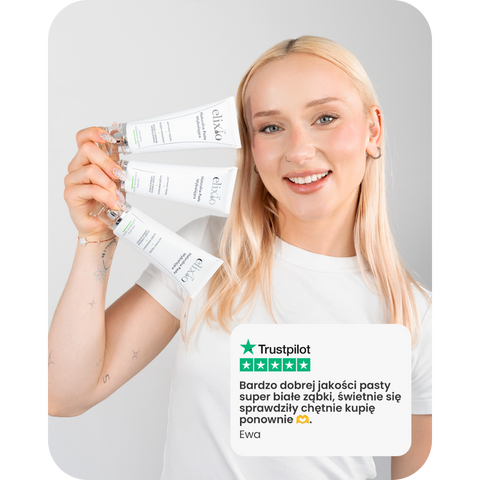
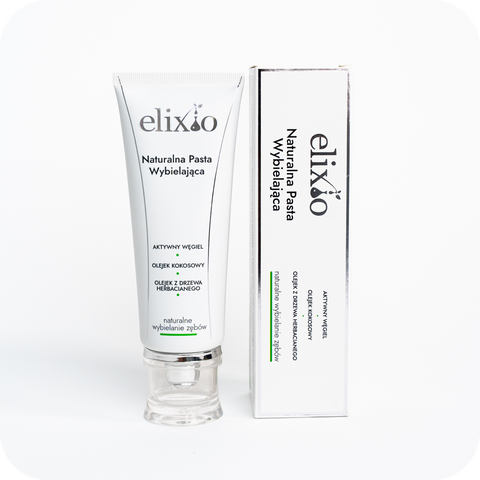
Compare Elixio's range of flavoured toothpastes, including watermelon, bubble gum and coconut.
This article is for educational purposes. Consult a dentist if you have specific oral needs or when choosing a product for a young child.