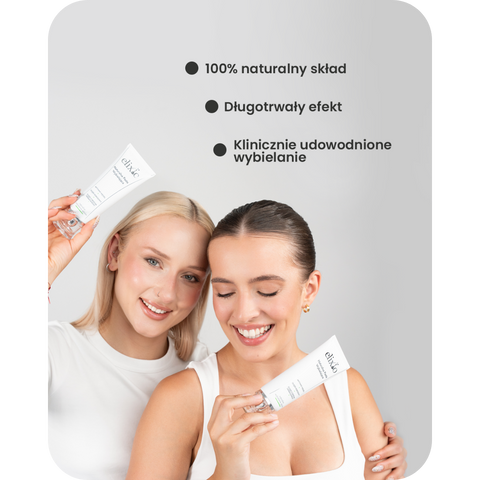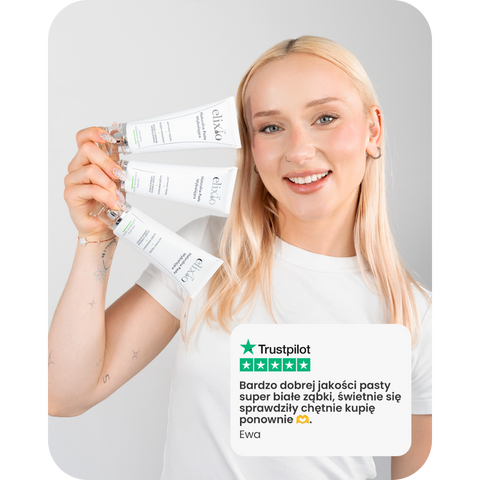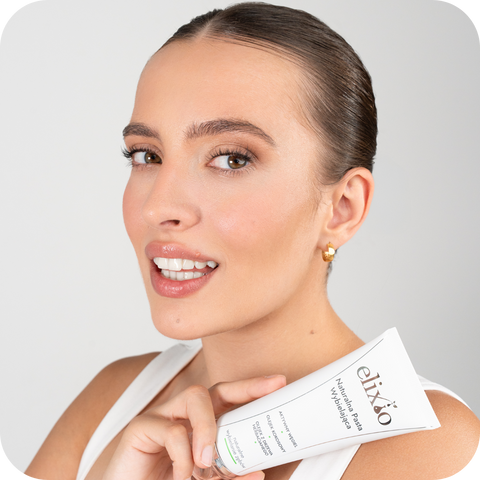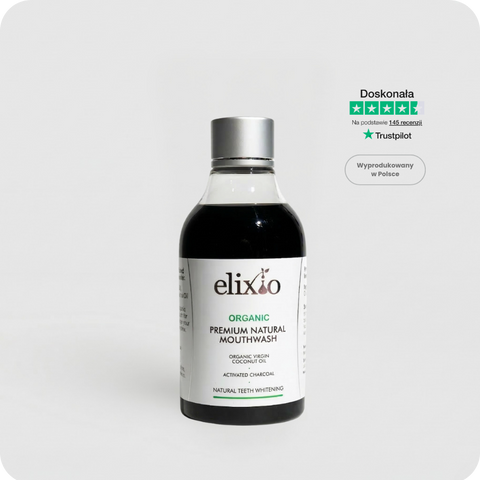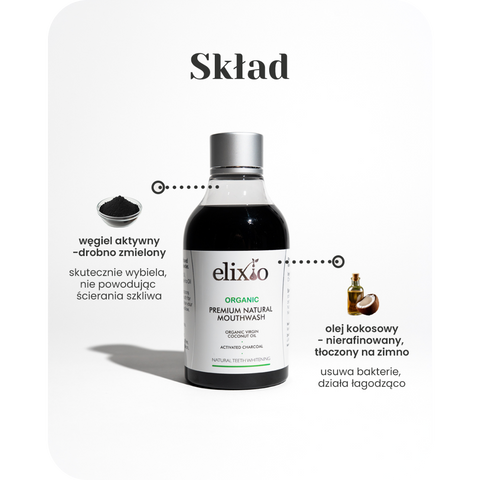

Activated charcoal is a popular toothpaste ingredient, but many claims surrounding it are misleading. In oral care, it should not be described as a detox, a treatment or a guarantee of whitening. The complete toothpaste formula, abrasivity, cavity-protection ingredients and brushing technique matter more than the presence of charcoal alone.
What is activated charcoal?
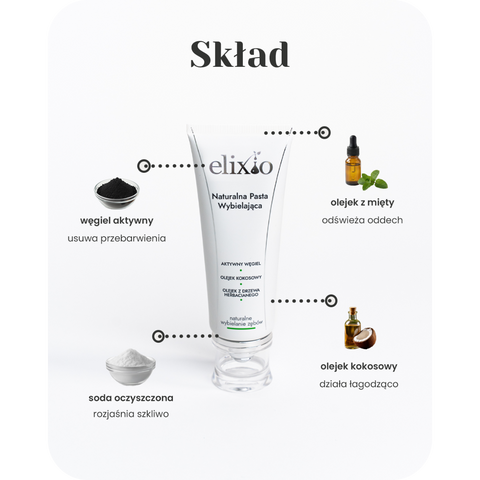
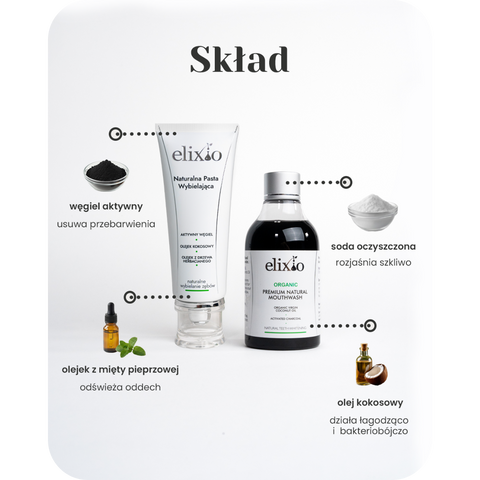
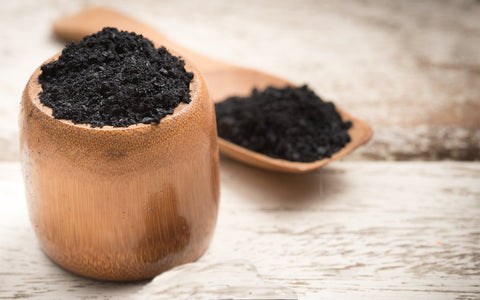
Activated charcoal is a highly porous material with a large surface area. It can adsorb, or bind, certain substances to its surface. This property is used in filtration and in specific medical settings, but it does not mean that toothpaste pulls toxins from the body.
What does activated charcoal do in toothpaste?
It is mainly part of a formula designed to clean tooth surfaces. Depending on the formulation, it may help remove soft deposits and some external stains caused by coffee, tea, red wine or tobacco. Results also depend on other cleaning ingredients, particle size, fluoride or other active ingredients, the toothbrush pressure used and frequency of use.
Does charcoal whiten teeth?
It is more accurate to talk about removing surface stains than changing the natural colour of teeth. Removing deposits may make teeth look cleaner and brighter, but this is not the same mechanism as peroxide-based whitening.
If a yellow tone mainly comes from the natural colour of dentine showing through enamel, toothpaste may have only a limited effect. A single dark tooth, trauma-related changes and internal discolouration require professional assessment.
What does research say?
Scientific reviews do not support the claim that activated charcoal alone provides exceptional or predictable whitening. Findings vary, and some studies raise concerns about the abrasive potential of certain charcoal toothpastes. This does not mean every charcoal formula is excessively abrasive; products differ considerably.
Why does the complete formula matter?
All toothpastes provide some mechanical cleaning. Risk can increase when a strongly abrasive formula is combined with heavy pressure, hard bristles or enamel already affected by acid erosion.
Extra caution is appropriate for people with sensitive teeth, exposed root surfaces, enamel erosion, receding gums, recent dental procedures, veneers, crowns or extensive restorations. Stop and seek dental advice if sensitivity, gum burning or pain becomes worse.
Charcoal toothpaste versus loose charcoal powder
They are not equivalent. A finished toothpaste is a controlled formulation designed for a specified use. Loose powder makes dose and abrasivity difficult to control. Crushing charcoal tablets or mixing powder with baking soda, salt or acidic ingredients may increase irritation and wear.
Does charcoal detox the mouth?
No. Routine oral care is based on mechanical plaque removal, cleaning between teeth and protecting teeth against decay. Toothpaste should not be presented as treating systemic illness, poisoning, gum disease or unrelated health conditions.
Can it help with bad breath?
Your mouth may feel fresher after brushing, but persistent bad breath should not be reduced to one toothpaste ingredient. Plaque, tongue coating, gum inflammation, dry mouth, decay and other conditions may need assessment.
How to use charcoal toothpaste safely
- Follow the manufacturer's directions.
- Use a soft toothbrush and light pressure.
- Do not extend brushing time to chase faster results.
- Do not add charcoal powder, baking soda or lemon.
- Monitor sensitivity and gum comfort.
- Do not try to brush away hardened tartar.
- Ask a dentist when you have erosion, exposed roots, braces or restorations.
What can you realistically expect from Elixio?
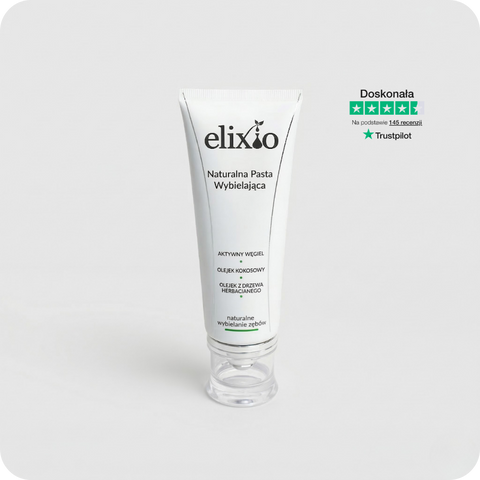
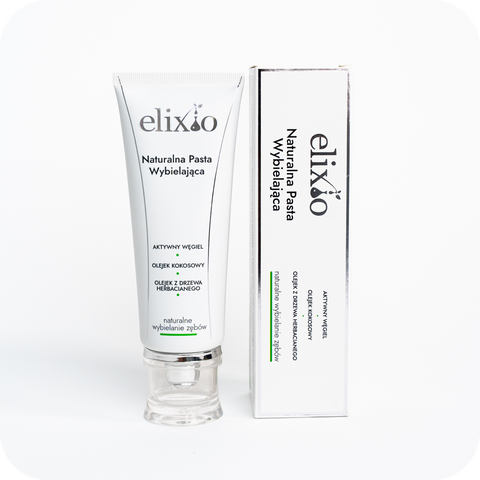
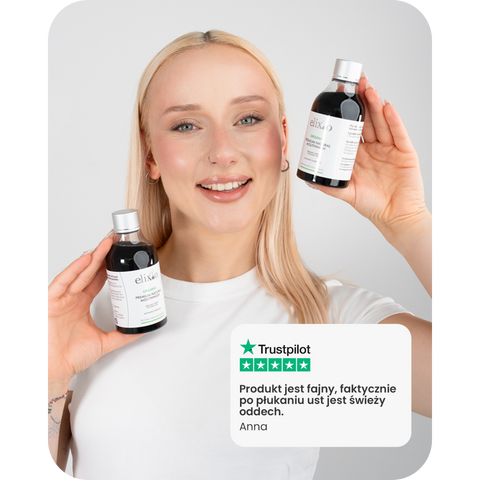
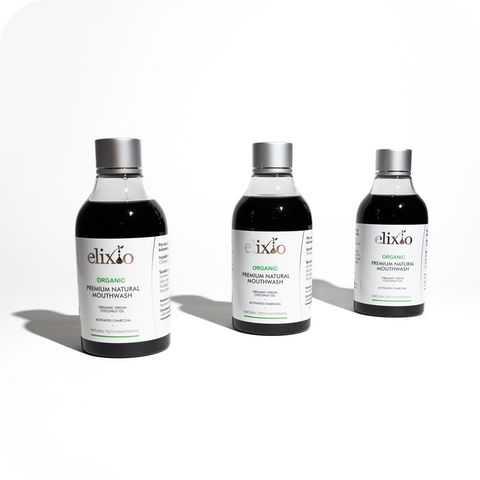
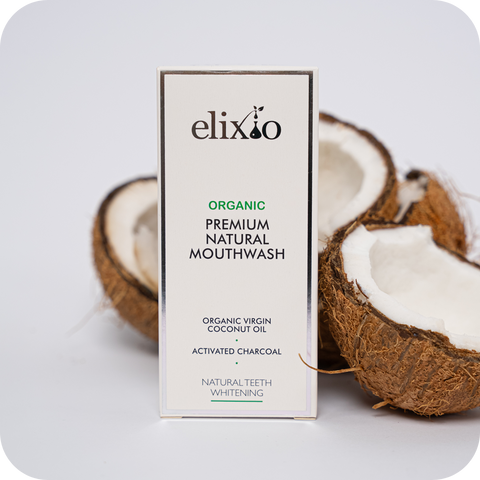
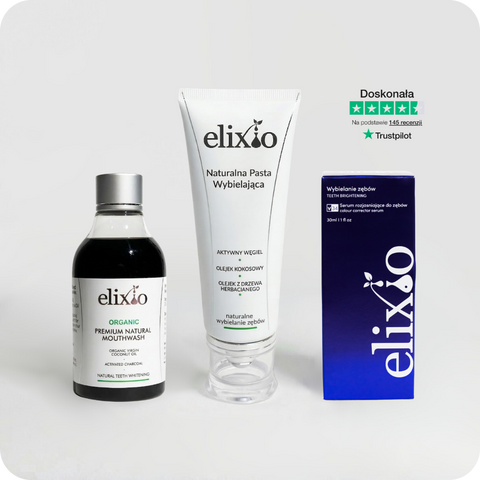
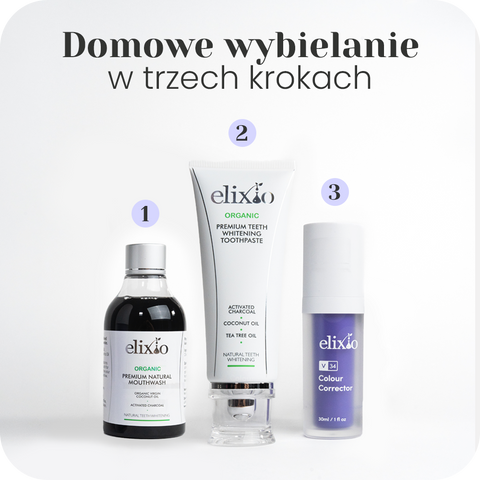
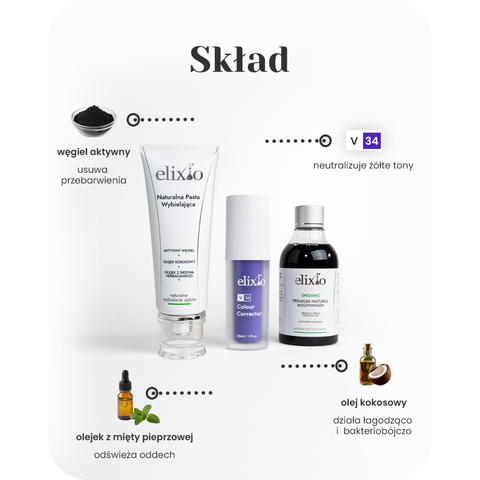
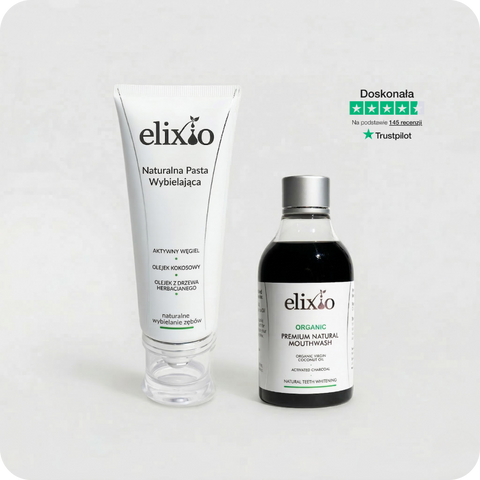
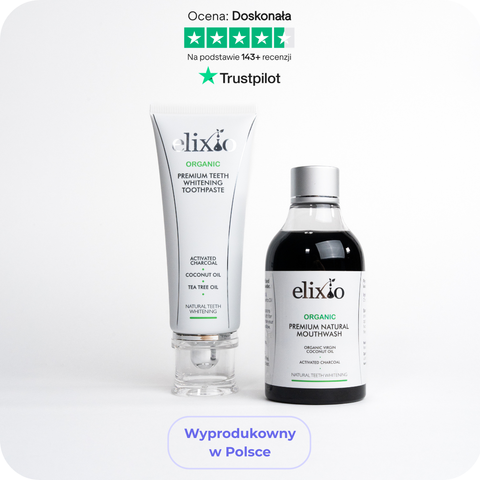
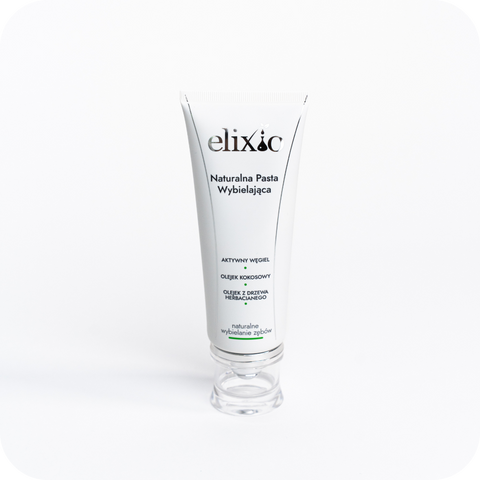
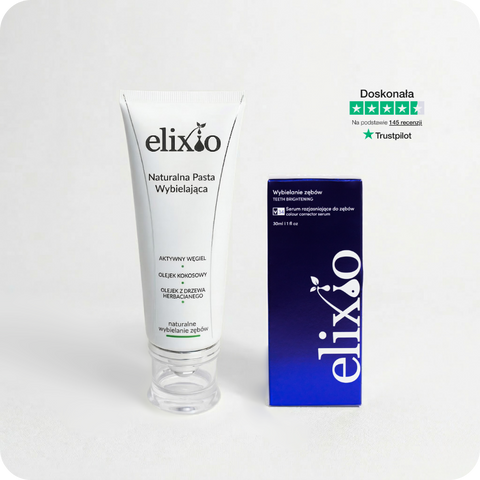
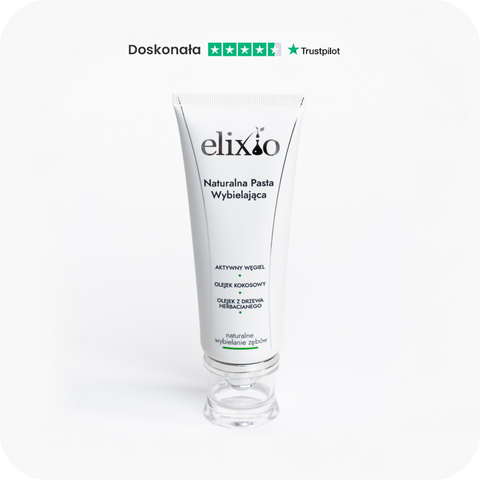
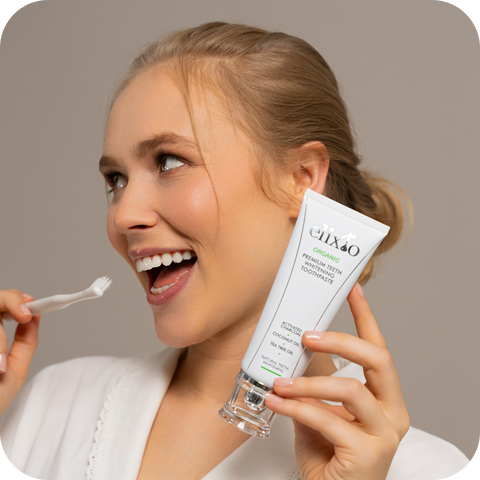
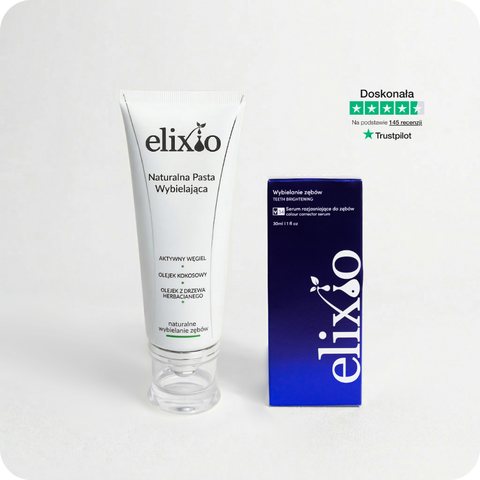
Elixio Activated Charcoal Whitening Toothpaste is designed for everyday surface cleaning and care of external stains. A realistic goal is maintaining a clean appearance and helping reduce deposits as part of a complete oral-hygiene routine.
It will not change the natural colour of dentine, whiten a crown or veneer, remove tartar or replace professional treatment.
Charcoal and fluoride: do you have to choose?
No. They have different roles. Charcoal may be included in a cleaning formula, while fluoride has a well-established role in preventing tooth decay. Evaluate the complete formulation rather than setting individual ingredients against one another.
When will charcoal toothpaste not solve the problem?
- One tooth suddenly becomes darker.
- Hard tartar is present.
- Pain or increasing sensitivity develops.
- White, brown or black marks are not surface deposits.
- Gums remain swollen or bleed.
- You expect crowns, veneers or fillings to change colour.
FAQ
Does darker toothpaste work better?
No. Colour is not a measure of effectiveness or safety.
Can charcoal toothpaste be used every day?
That depends on the individual formula and its directions. Advice for one product should not be applied to the entire category.
Does it remove tartar?
No. Mineralised tartar requires professional removal.
Does it detox the mouth?
No. This is not a medically justified description of toothpaste.
Further reading
- Brooks et al., Journal of the American Dental Association
- Systematic review of charcoal efficacy and abrasivity
This article is educational and does not replace individual dental advice.