After oil pulling, spit the oil into a bin, paper towel, tissue or disposable container. Regularly pouring fat into a sink or toilet may contribute to deposits in plumbing, especially when coconut oil cools and solidifies.
Why not use the sink?
Oil can stick to pipes and combine with other debris. One small amount may not block a drain immediately, but making it a daily habit increases the risk. This also applies to the kitchen sink.
The simplest method
- Prepare a tissue or small bag before starting.
- Spit the oil out slowly.
- Wrap or seal it to prevent leakage.
- Dispose of it according to local mixed-waste rules.
- Rinse your mouth and continue with brushing.
Can it go into the toilet?
A toilet is also part of the drainage system, so it is not the best option. A sealed item in the bin is preferable.
What about travelling?
Carry a small sealable bag, container or thick tissues. Do not spit oil onto the ground or in public spaces. In a hotel, put the securely sealed residue in a bin.
Can used oil be reused?
No. It has mixed with saliva and material from the mouth. Do not store, swallow, reuse cosmetically or give it to animals.
How can you avoid mess?
- Do not use too much oil.
- Prepare the container first.
- Spit slowly from a short distance.
- Wash your hands and clean any spills.
Related guides
- Can you swallow the oil?
- How to start oil pulling
- How much oil should you use?
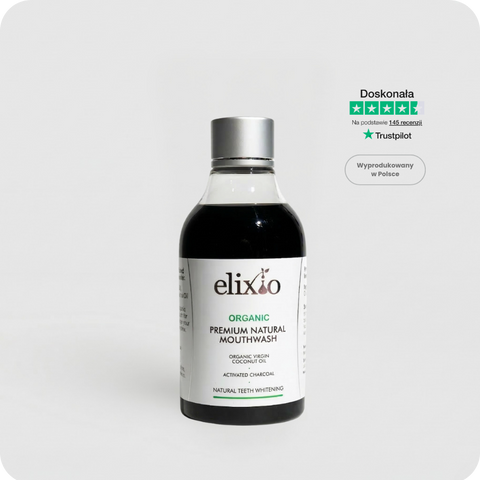
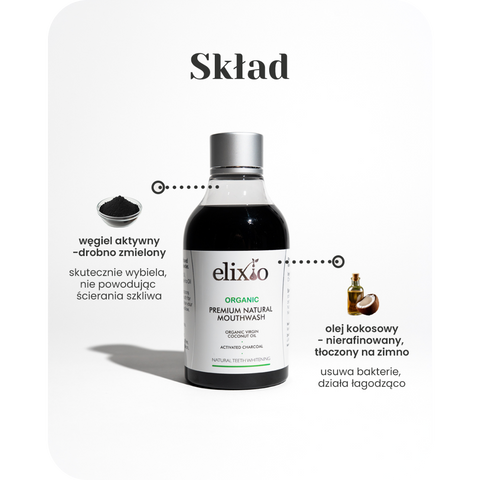
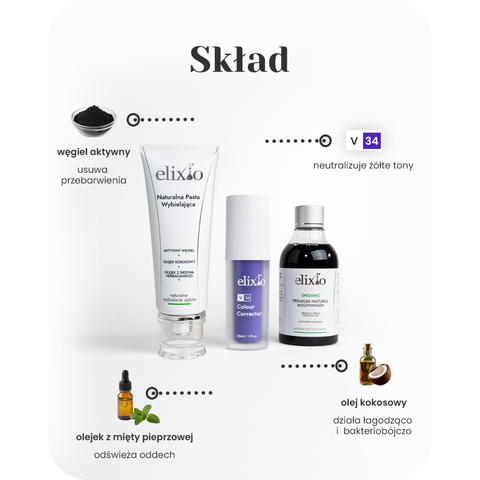
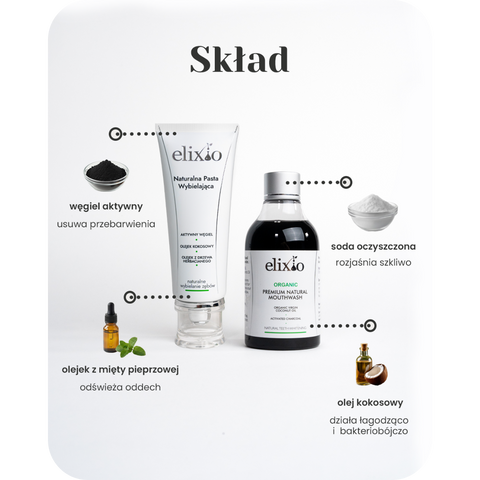
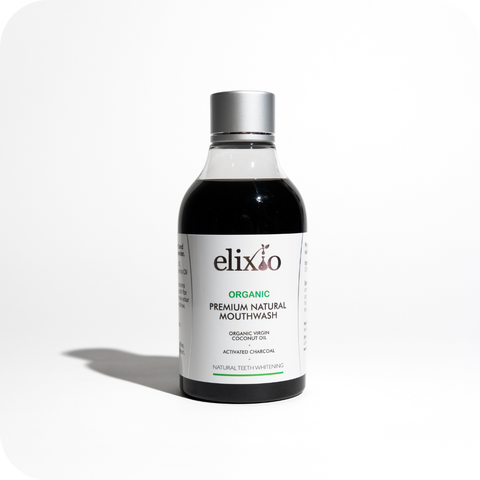
See Elixio Coconut Oil Pulling Mouthwash.
FAQ
Can the oil be composted?
Rules depend on the local waste system and the material you spat it into. Follow local guidance for disposing of fats.
What if the oil went into the sink?
Deal with a small amount according to the plumbing guidance, but do not make this your daily disposal method.