
Zitronensaft wird manchmal als natürliche Methode für ein helleres Lächeln dargestellt. Der saure Geschmack und ein kurzfristiges Sauberkeitsgefühl bedeuten jedoch keine sichere Aufhellung. Säure kann die Oberfläche des Zahnschmelzes vorübergehend erweichen. Direktes Putzen danach kann das Risiko von Schäden zusätzlich erhöhen.
Warum kann Zitrone den Eindruck einer Wirkung erzeugen?
Säure wirkt auf die Zahnoberfläche, ist aber keine kontrollierte Aufhellungsmethode. Regelmäßiges Einreiben mit Zitrone kann Empfindlichkeit, matten Zahnschmelz und eine höhere Anfälligkeit für Verfärbungen fördern.
Zitrone nicht mit Natron kombinieren
Diese beliebte Mischung verbindet zwei ungünstige Mechanismen: eine durch Säure erweichte Oberfläche und mechanischen Abrieb. Wenden Sie sie nicht an den Zähnen an.
Was tun nach sauren Speisen oder Getränken?
- Den Mund mit Wasser ausspülen.
- Die Zähne nicht sofort schrubben.
- Nach einer angemessenen Pause zur normalen Hygiene zurückkehren.
- Säure nicht mit einer weiteren Hauszutat neutralisieren.
Was kann man stattdessen wählen?
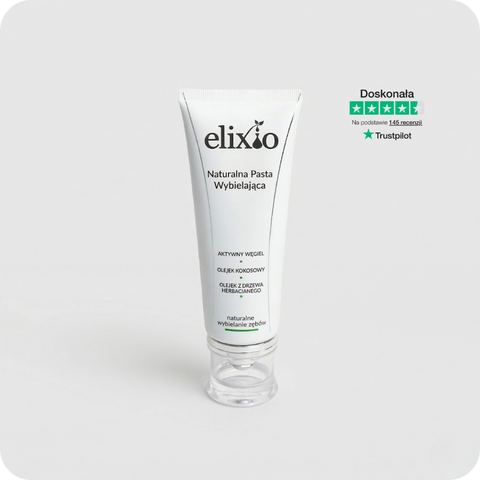
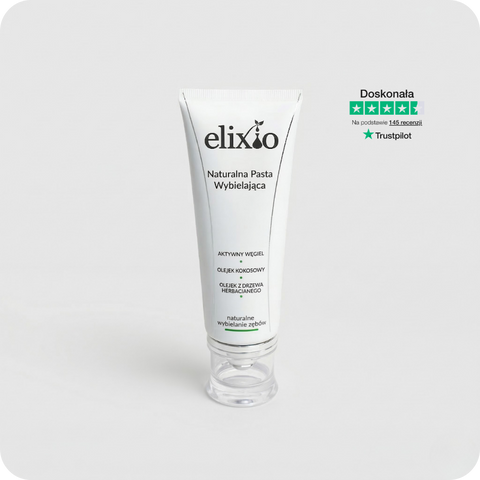
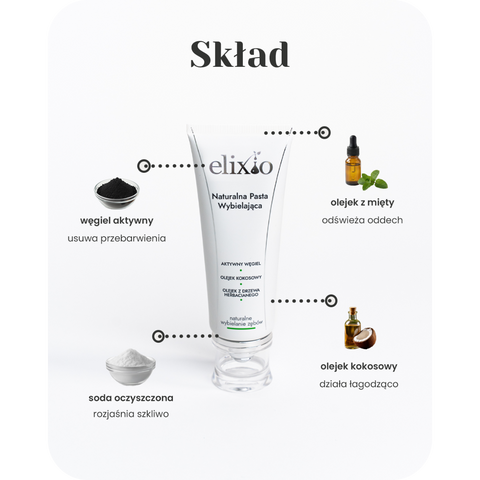
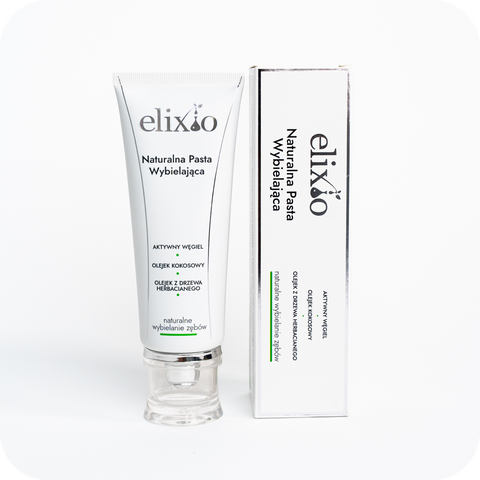
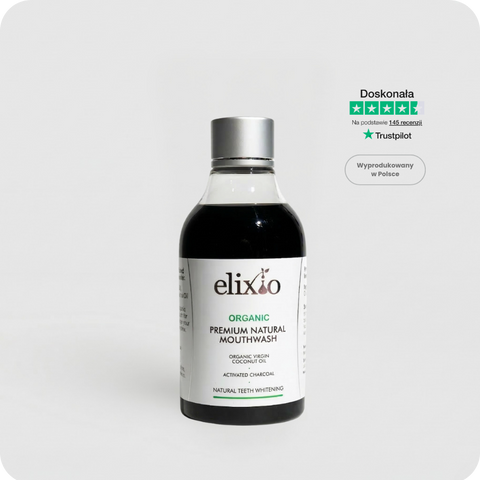
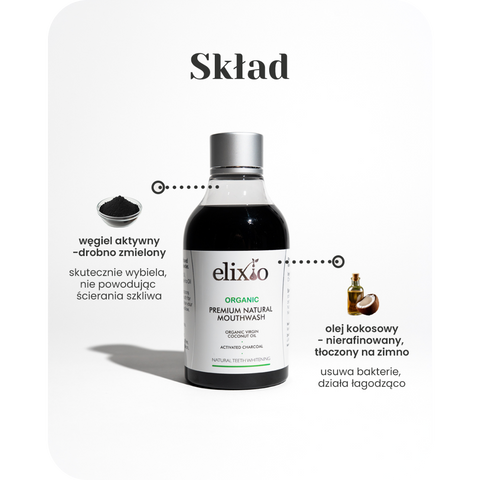
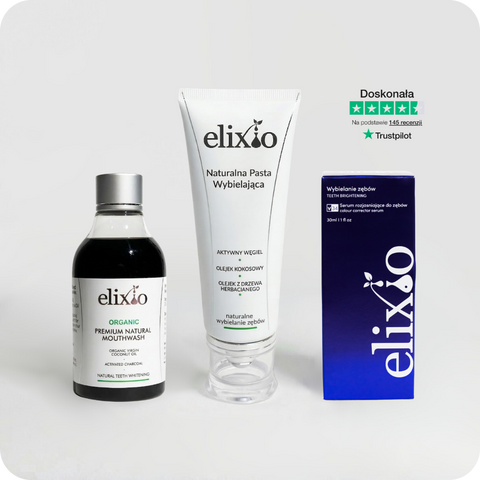
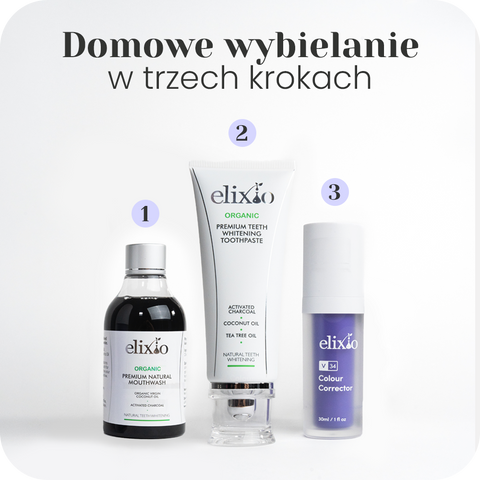
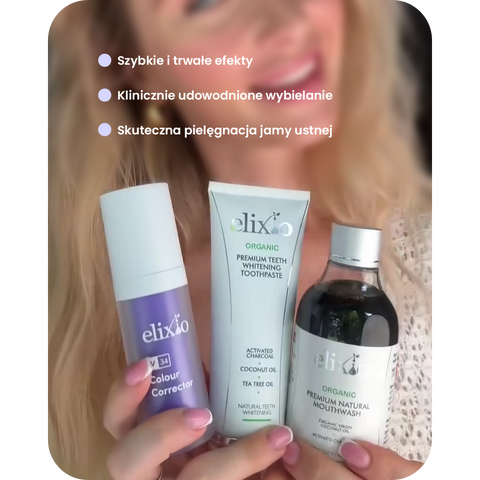
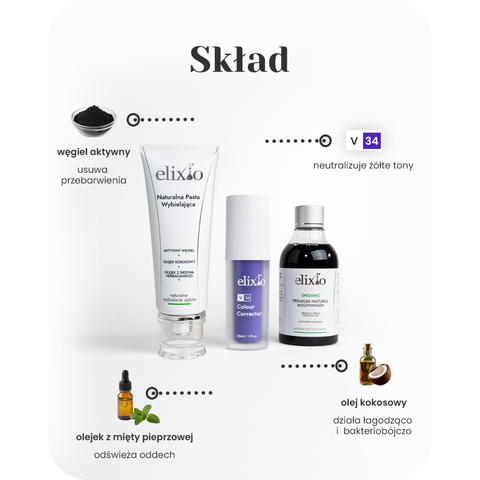
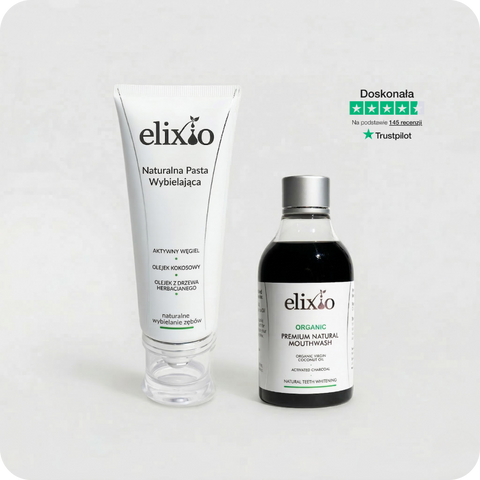
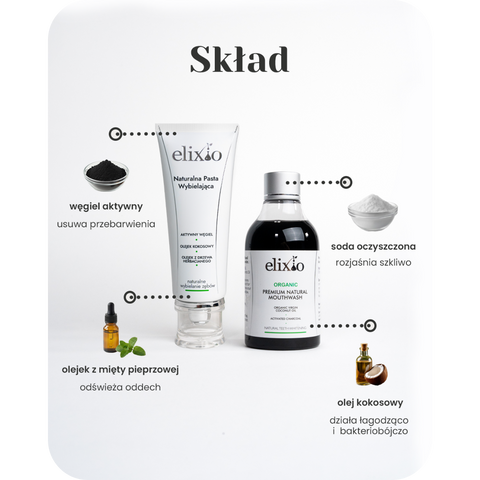
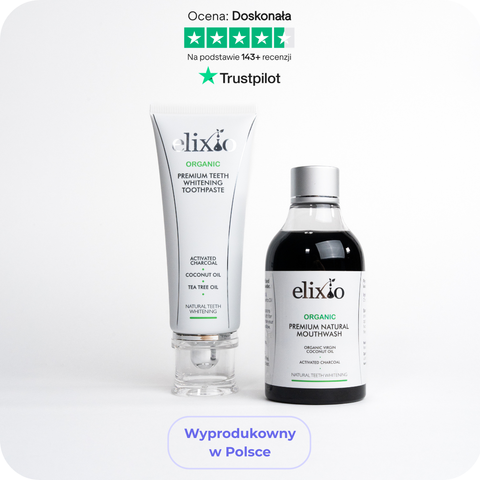
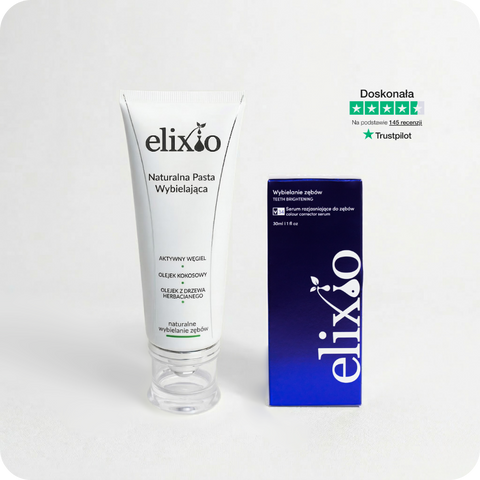
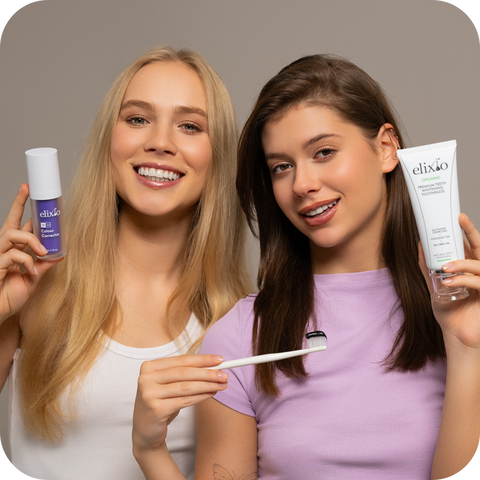
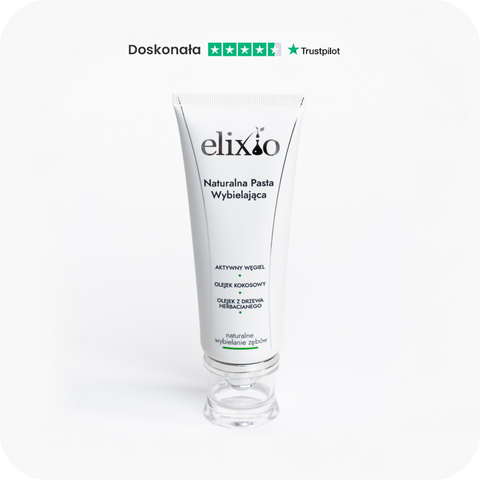
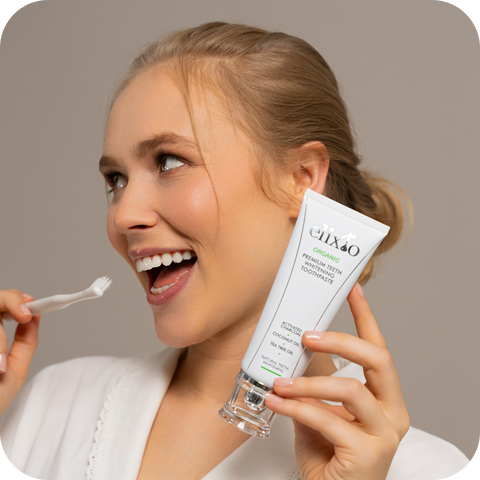
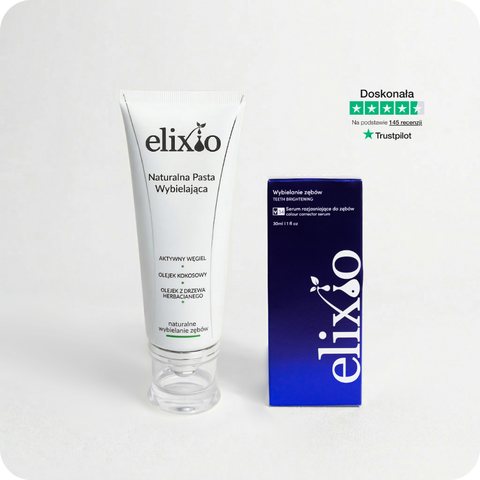
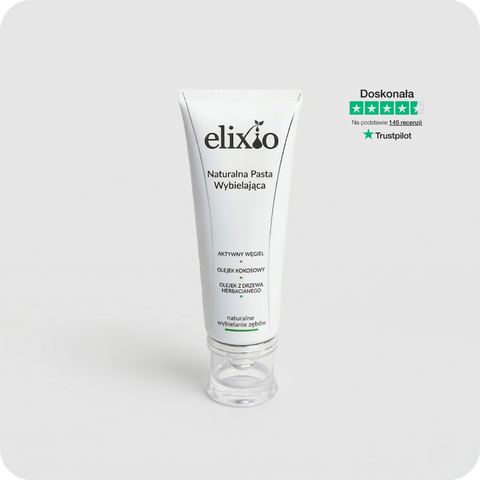
Für Oberflächenbeläge eignet sich ein Produkt für die Mundpflege, zum Beispiel die Elixio Whitening-Zahnpasta mit Aktivkohle. Sie zielt auf äußere Beläge, nicht auf die natürliche Dentinfarbe.
FAQ
Schadet Zitronenwasser?
Häufigkeit und Kontaktzeit sind entscheidend. Saure Getränke nicht stundenlang trinken und auf gute Mundhygiene achten.
Kann man Zähne mit Zitronenschale einreiben?
Das ist keine empfohlene Pflegemethode.
Mehr im Zahnaufhellungs-Ratgeber.