
A yellowish tooth shade does not always mean neglect. For many people it is a natural result of tooth structure, age and the colour of dentine showing through enamel. A concern arises when the shade changes clearly, spots appear or deposits become increasingly visible. It is therefore worth identifying the type of discolouration before reaching for the strongest whitening method.
Why are teeth not naturally snow-white?
Enamel is translucent. Beneath it lies dentine, which has a warmer, yellowish shade. The thinner the enamel or the darker the dentine, the warmer the natural smile colour may look. This is an anatomical feature, not automatically a sign of poor hygiene.
Genetics, age and the way light reflects from tooth surfaces also affect shade. Enamel may become thinner over the years, making the natural dentine colour more visible.
Extrinsic and intrinsic discolouration
Extrinsic discolouration
This develops on the enamel surface and is most often associated with coffee, tea, red wine, smoking, cola and some spices. This type of deposit may respond to regular hygiene, professional cleaning and an appropriately selected cleaning toothpaste.
Intrinsic discolouration
This lies deeper within the tooth. Possible causes include trauma, root canal treatment, some medicines, developmental enamel changes or the natural colour of dentine. Ordinary whitening toothpaste cannot permanently change such discolouration.
Common causes of a yellowish shade
- The natural colour of dentine visible through enamel.
- Deposits from coffee, tea, wine and tobacco.
- Tartar, particularly along the gumline.
- Incomplete cleaning between the teeth.
- Enamel thinning with age.
- Dry mouth and reduced saliva.
- A colour mismatch between crowns, veneers or fillings and natural teeth.
How can you tell whether deposits are the issue?
If the colour changes gradually and affects many teeth in a similar way, the cause is often surface deposits or the natural shade. When discolouration affects one tooth, appears suddenly or looks distinctly grey, brown or pink, it should be assessed by a dentist.
A home assessment never replaces an examination, but you can note whether darker areas occur mainly at the gumline, between teeth or on surfaces frequently exposed to coffee and tea.
What can you do in daily care?
- Brush twice a day for about two minutes.
- Use a soft toothbrush without excessive pressure.
- Clean between the teeth every day.
- Drink water after coffee or tea.
- Do not brush aggressively immediately after acidic drinks.
- Arrange professional cleaning regularly.
What role can whitening toothpaste play?
Whitening toothpaste primarily helps remove surface deposits. It does not change the natural colour of dentine and does not produce the same result as professional treatment. Its main benefit is supporting a more even-looking tooth surface as part of a regular routine.
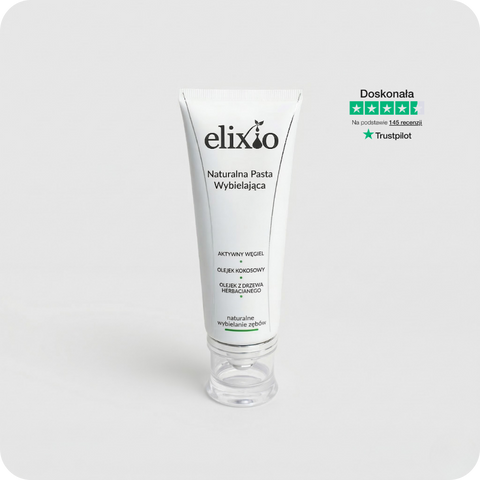
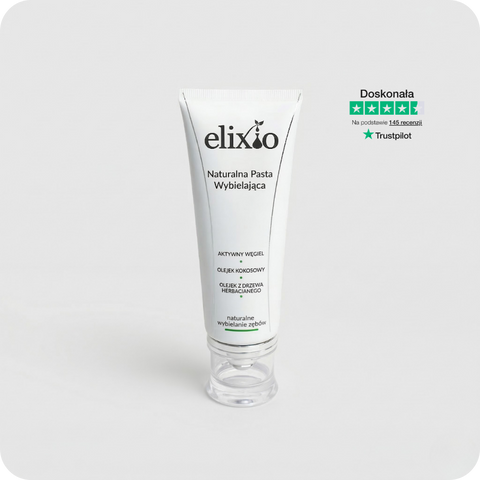
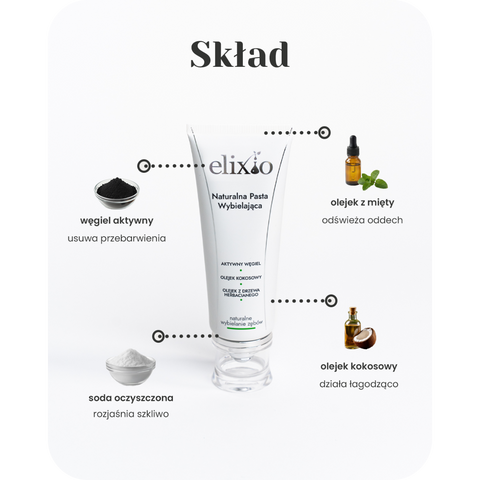
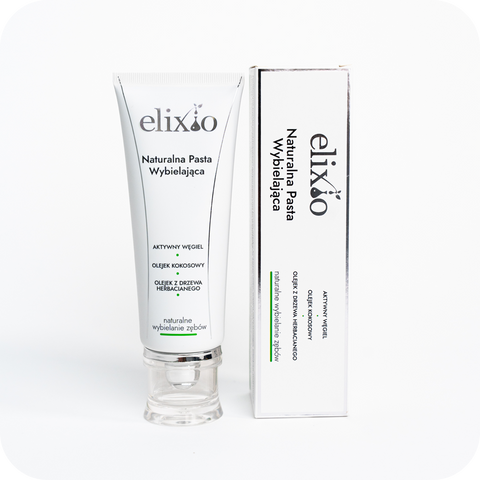
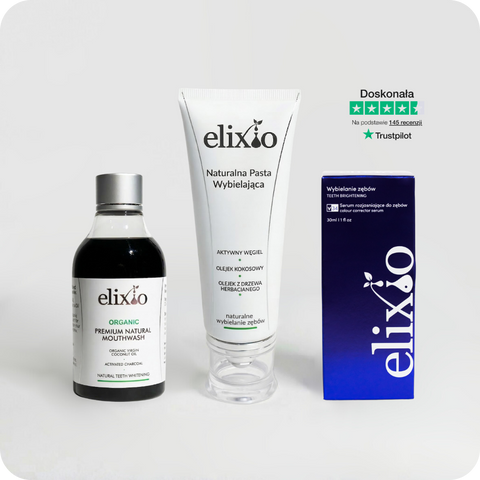
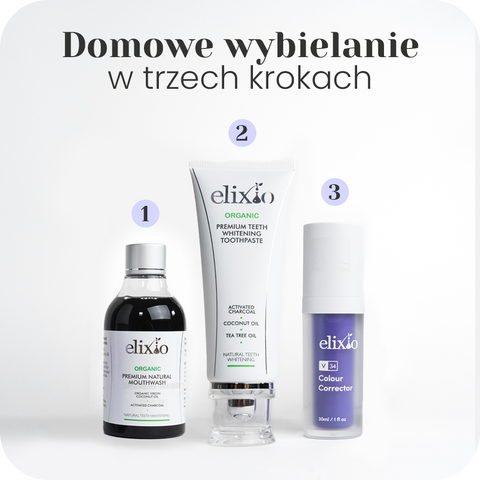
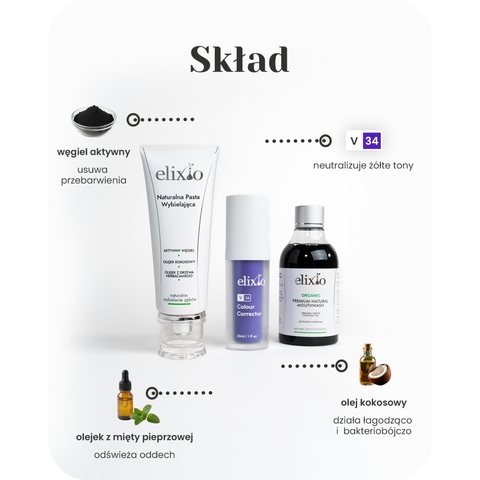
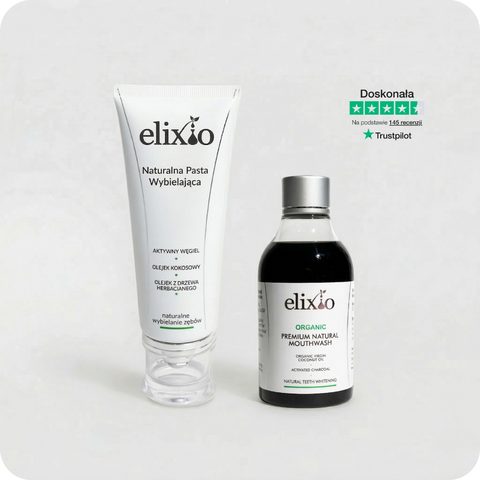
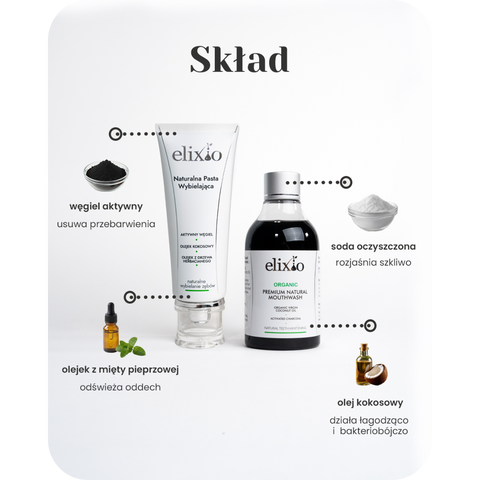
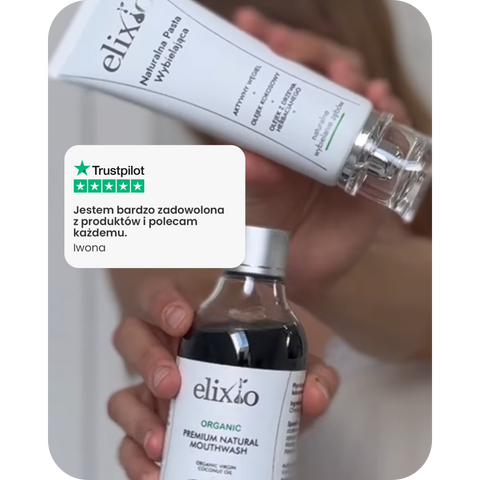
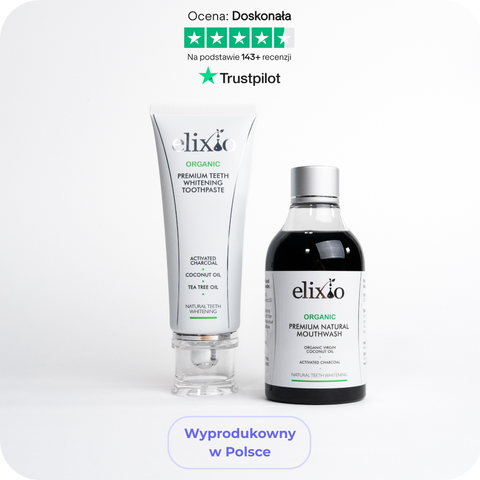
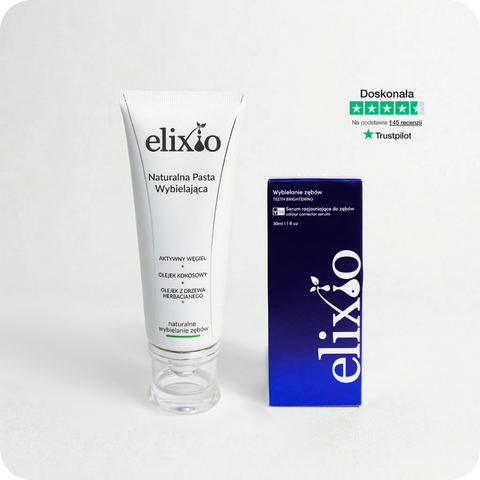
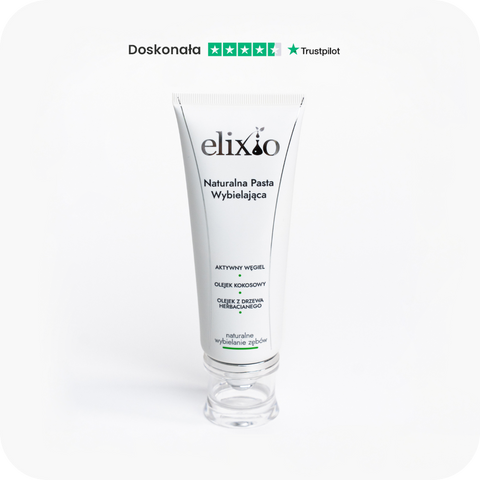
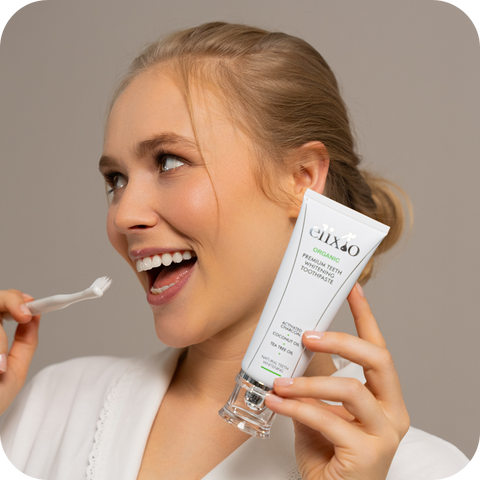
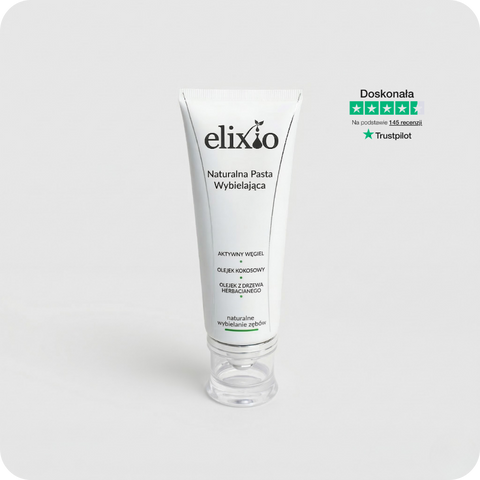
For deposits from coffee, tea or smoking, see Elixio Activated Charcoal Whitening Toothpaste. Follow the directions and stop if irritation or sensitivity develops.
What should you avoid?
- Do not use lemon juice to whiten teeth.
- Do not scrub enamel with baking soda alone.
- Do not combine several abrasive products.
- Do not try to remove tartar with home tools.
- Do not ignore a sudden colour change in one tooth.
When is professional cleaning or consultation needed?
Hard, yellow-brown deposits concentrated at the gumline may be tartar, which brushing alone cannot remove. Scaling and professional cleaning are more appropriate. A sudden colour change, pain, sensitivity, bleeding gums or an uneven shade in one tooth also calls for professional assessment.
FAQ
Are yellow teeth unhealthy?
Not necessarily. A naturally warmer shade can be completely normal. Enamel condition, absence of decay, healthy gums and regular hygiene are more meaningful indicators of oral health.
Will whitening toothpaste lighten the natural tooth colour?
It usually helps remove extrinsic deposits but does not change the natural colour of dentine.
Can coffee stains be limited?
Yes. Regular brushing, drinking water, avoiding hours of sipping coffee and periodic professional cleaning can help.
Why is one tooth darker?
There are several possible causes, including trauma or internal changes. A dentist should assess this.
This article is educational and does not replace a dental diagnosis.