
A short, sharp pain after cold water, ice cream, sweet food or contact with a toothbrush is often described as sensitivity. It occurs when a stimulus reaches dentine—the tissue beneath enamel and root cementum—more easily. Not every such pain is ordinary sensitivity, however. Tooth decay, a crack, a leaking filling or pulp inflammation can cause similar symptoms.
Why do teeth become sensitive?
Exposed tooth necks
Gum recession exposes the root surface, which is less resistant than crown enamel. It may result from gum disease, anatomy, forceful brushing or excessive loading.
Enamel erosion
Frequent contact with acidic drinks, reflux or vomiting can gradually weaken the surface. Risk rises when teeth are brushed hard immediately after acid exposure.
Mechanical wear
A hard brush, heavy pressure, horizontal scrubbing and home powders can contribute to defects near the gum line.
Whitening
Temporary sensitivity can occur during or after chemical whitening. Do not increase application time or frequency beyond the instructions.
Grinding and clenching
Excessive forces can cause microcracks, wear and pain. They often occur with jaw-muscle tension or morning discomfort.
How can you distinguish sensitivity from pain needing prompt assessment?
Typical sensitivity is brief and follows a specific stimulus. Arrange an appointment sooner when:
- pain lasts long after cold or heat is removed,
- it wakes you at night,
- it affects one particular tooth,
- it appears when biting,
- swelling or fever occurs,
- a crack or dark area is visible,
- symptoms worsen rapidly.
What can you change at home?
Reduce pressure
Use a soft toothbrush and short movements. Do not try to remove deposits by force. A pressure sensor on an electric toothbrush can help with training.
Limit frequent acid exposure
Do not sip fizzy drinks, energy drinks, juices or lemon water for hours. After an acidic drink, have water and wait before brushing instead of scrubbing immediately.
Choose toothpaste intended for sensitivity
Specialist toothpastes contain ingredients that, with regular use, can reduce stimulus conduction or block dentinal tubules. Follow the instructions and allow time for the product to work.
Flavoured everyday toothpastes should not be presented as treatments for sensitivity. If pain persists, choose a specialist product recommended by a dentist.
Do not combine several whitening methods
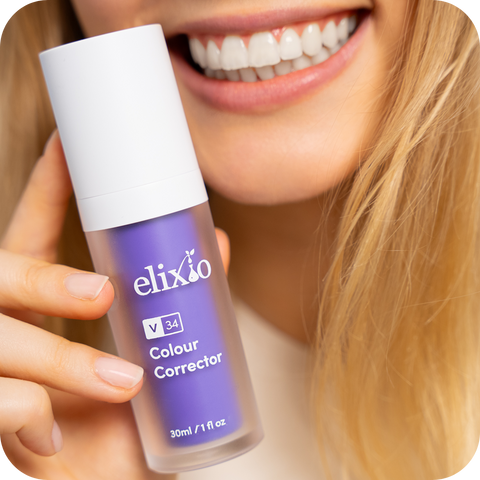
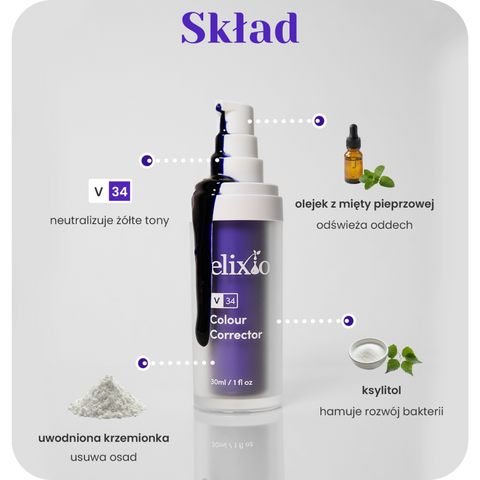
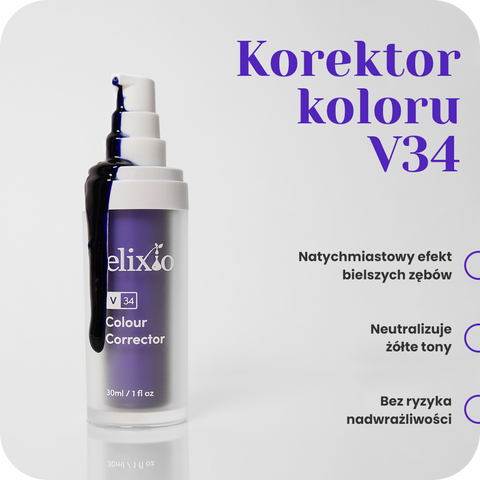
If sensitivity appears, stop experimenting and discuss further product use. A purple colour corrector works optically and does not treat the cause of pain.
Common mistakes
- using a hard brush “for stains”,
- horizontal scrubbing at the gum line,
- using lemon and baking soda for home whitening,
- brushing immediately after an acidic drink,
- changing toothpaste every two days,
- ignoring pain in one tooth,
- placing a whitening product on damaged gums.
How can a dentist help?
Treatment depends on the cause. It may include hygiene instruction, professional desensitising products, fluoride varnish, decay treatment, replacement of a filling, protection of a cervical defect, gum therapy or a splint for grinding. The right method cannot be chosen without an examination.
Sensitivity after whitening
If symptoms occur during a course, follow the manufacturer's or dentist's advice. Do not extend breaks merely to apply a double dose later. Stop and arrange a check if pain is strong, gums are irritated or symptoms affect one tooth.
Gentle product use, intact gums and following the label are more important than intensifying a whitening routine.
FAQ
Can sensitivity go away by itself?
A temporary symptom after a procedure may settle, but it often returns if the cause remains. Long-lasting or worsening pain requires an examination.
Can sensitive areas be brushed?
Yes, gently. Avoiding them encourages plaque and gum inflammation. Soft bristles and light pressure are essential.
Does cold water “strengthen” teeth?
No. Deliberately provoking pain does not remove the cause and may delay diagnosis.
Do all whitening toothpastes increase sensitivity?
Not in everyone. The reaction depends on the formula, technique and condition of the teeth. With exposed roots, discuss the choice with a dentist.
Summary
Sensitivity is a symptom, not a diagnosis. Reduce brush pressure, limit acids, use a specialist toothpaste and avoid aggressive whitening experiments. Pain in one tooth, night pain, swelling or a reaction that persists after the stimulus require assessment.