Tooth sensitivity often feels like a short, sharp pain after cold, hot, sweet or acidic stimuli. Possible causes include exposed dentine, gum recession, erosion, decay or a crack. Changing toothpaste alone cannot diagnose the source.
Is charcoal toothpaste suitable for sensitive teeth?
The presence of charcoal alone does not answer this. Check the complete formula, intended use and directions. Avoid hard pressure and combining several intensive stain-removal methods.
When is assessment needed?
- Pain affects one tooth.
- It continues after the stimulus stops.
- It occurs spontaneously or when biting.
- There is a crack, cavity or swelling.
- Symptoms progressively worsen.
Do not respond by brushing more frequently. A dentist can assess enamel, gums, fillings and possible decay.
A gentle technique
- Use a soft toothbrush.
- Use the amount shown on the label.
- Make small movements without horizontal scrubbing.
- Monitor the response during the first days.
- Stop if symptoms clearly worsen.
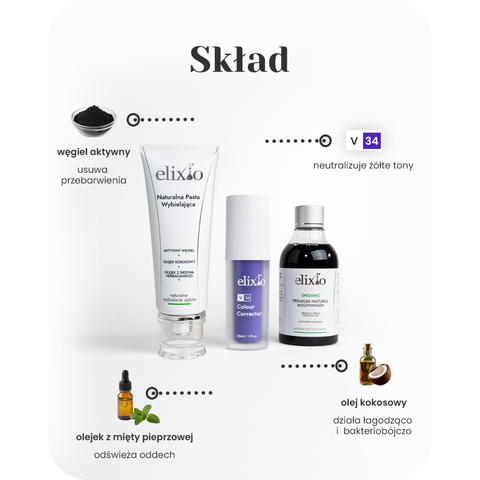
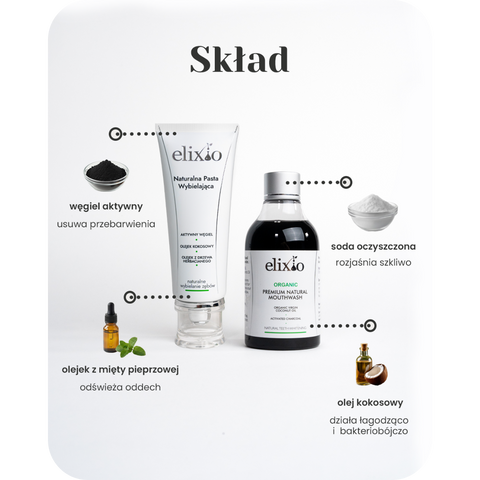
Charcoal toothpaste may help remove some surface deposits but does not treat sensitivity or change the natural colour of dentine.
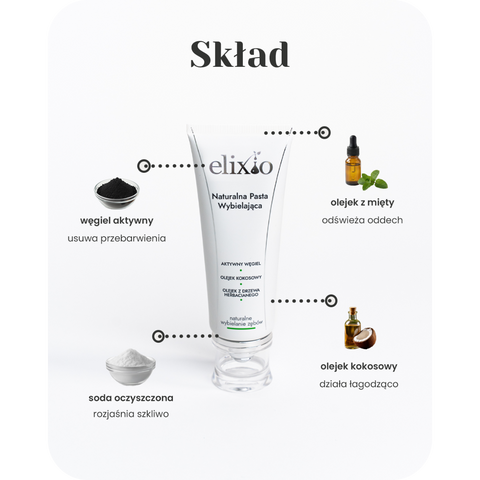
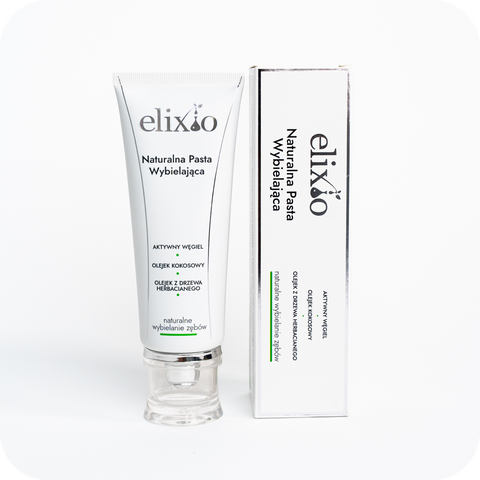
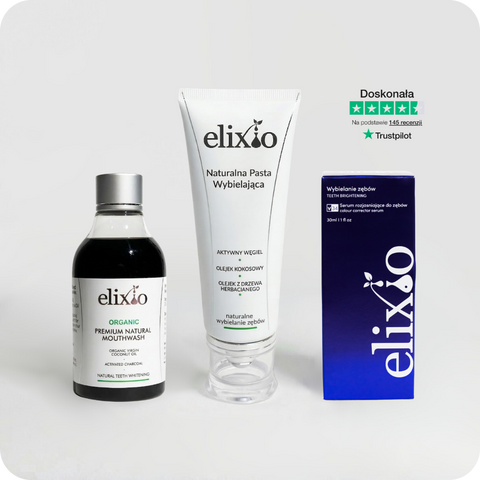
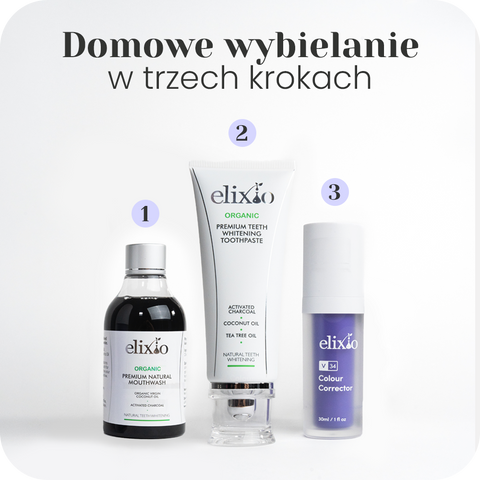
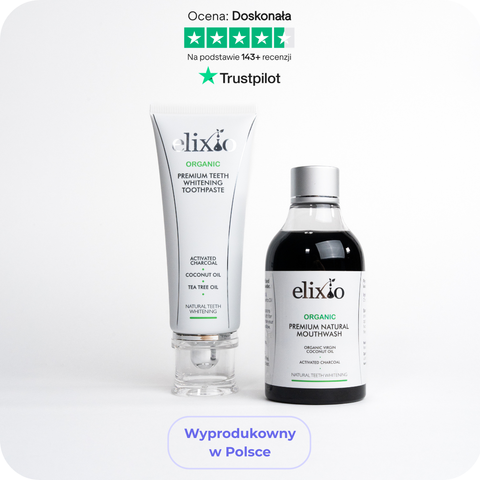
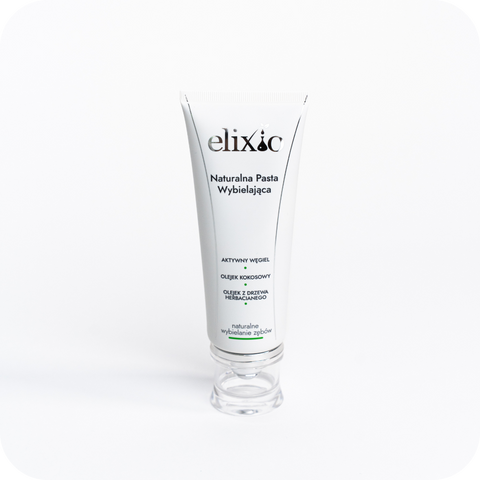
Read Can you use activated charcoal toothpaste every day? and see Elixio Activated Charcoal Whitening Toothpaste.
FAQ
Will brushing harder remove stains faster?
No. It may irritate gums and worsen discomfort.
Can a colour corrector treat sensitivity?
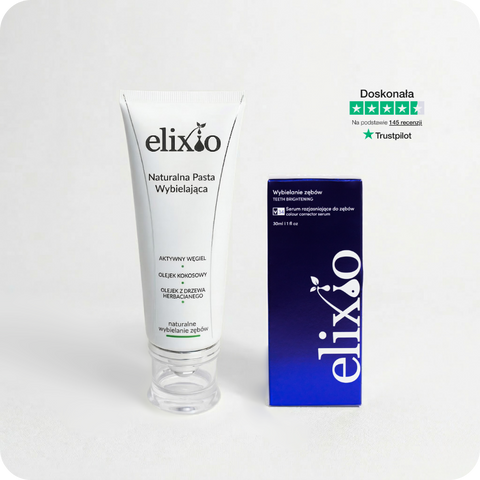
No. Optical colour correction does not address the cause of pain.