
Choosing an oil for oral use should not depend only on attractive packaging or promises of quick results. Above all, the product should be convenient to use, clearly labelled and intended for contact with the mouth. Ingredients, flavour, texture, instructions and whether you will be comfortable using it regularly all matter.
Food-grade oil or a product intended for the mouth?
Ordinary food-grade coconut oil is sometimes used for oil pulling, but a ready-made oral-care product may be more convenient because of its packaging, dispensing method and instructions. What matters most is that the product is safe for its intended use and does not contain unsuitable added ingredients.
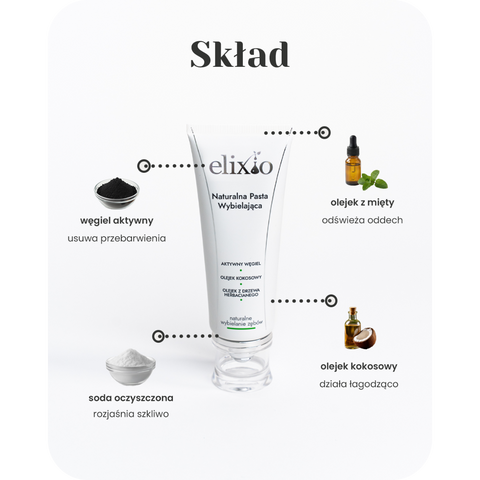
What should you check in the ingredients?
- A clearly identified type of oil.
- No ingredients to which you are allergic.
- No randomly added essential oils at unknown concentrations.
- Information about the intended purpose and directions for use.
- Clear storage recommendations.
Why is coconut oil often chosen?
It has a mild flavour and changes quickly from solid to liquid when warmed. Many people find it more pleasant than oils with a bitter or strong aroma. That can make regular use easier.
Is a solid texture a drawback?
No. Coconut oil can be solid in a cooler room and liquid in warmth. It melts quickly in the mouth. This natural change in texture does not necessarily mean it has spoiled.
How can you assess the flavour?
The flavour should be mild enough that rinsing for a few minutes does not cause nausea. A very intense product can discourage regular use. Start with a small amount.
Packaging matters
Good packaging should make measuring easy, reduce leaks and protect the product from contamination. With coconut oil, also consider how its texture changes with temperature.
What should the instructions tell you?
The description should answer basic questions: how much product to use, how long to rinse, whether to use it before brushing and how to store the container. Unclear directions increase the risk of using too much.
What should a credible product not promise?
- Curing tooth decay.
- Removing tartar without professional cleaning.
- Replacing brushing and flossing.
- Permanently whitening enamel after one use.
- Treating gum disease without a consultation.
How should you choose the pack size?
A single container is convenient for a first trial. If you enjoy the routine and use it regularly, multipacks may be more practical. Avoid buying a large supply before checking the flavour and comfort.
How should you store the oil?
Follow the manufacturer's recommendations. Coconut oil is generally stored in a dry place away from strong sunlight and heat sources. Always close the container and do not put dirty utensils into it.
How can you start safely?
- Read all the instructions.
- Check the ingredients for allergens.
- Use a small amount.
- Swish for a few minutes without strongly tensing your jaw.
- Spit the oil into a bin.
- Brush and clean between your teeth.
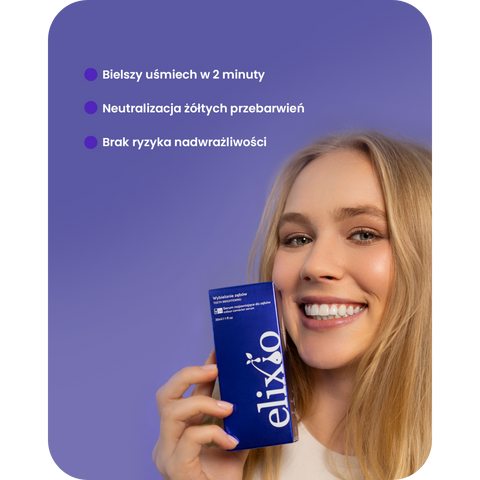
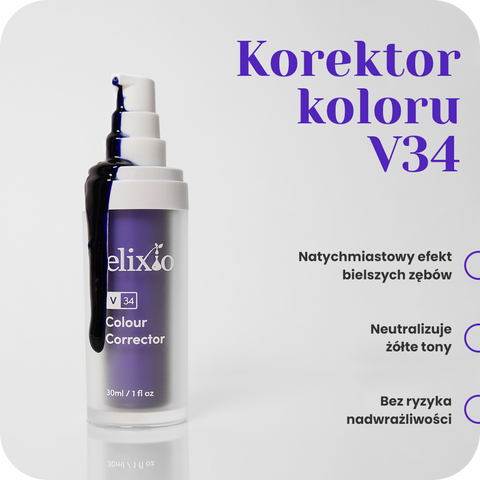
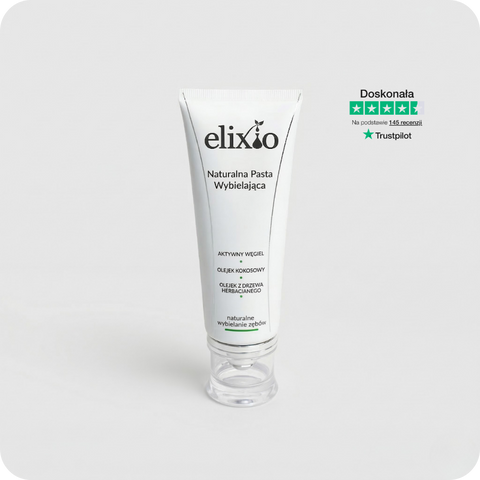
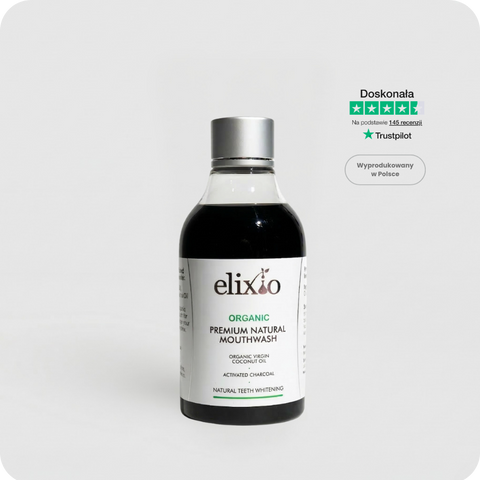
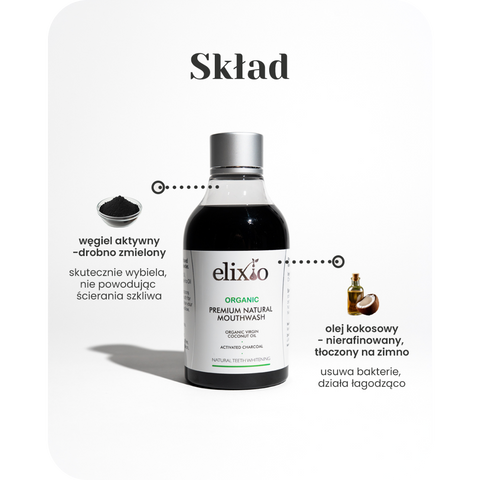
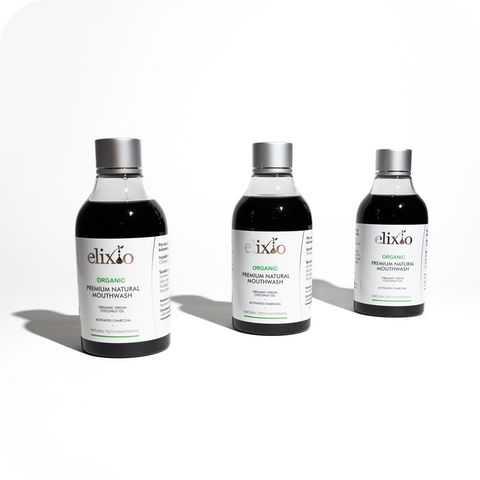
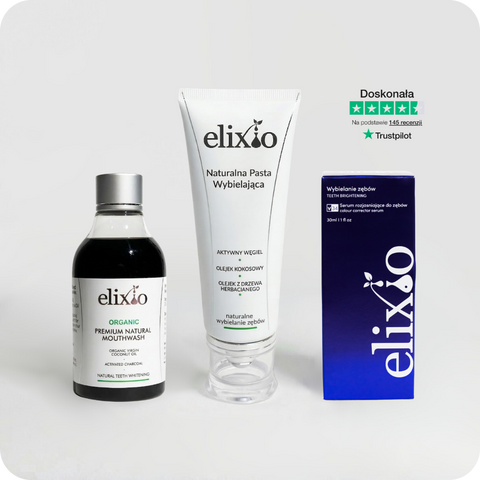
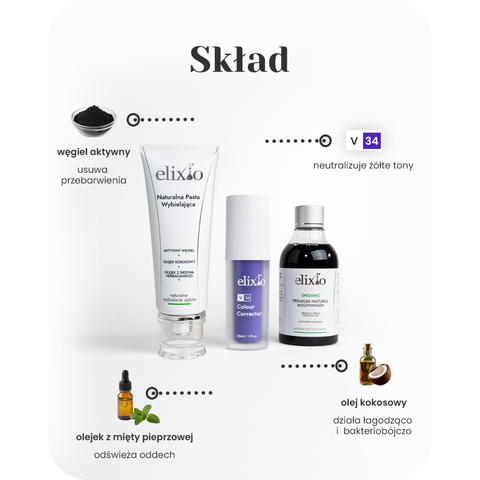
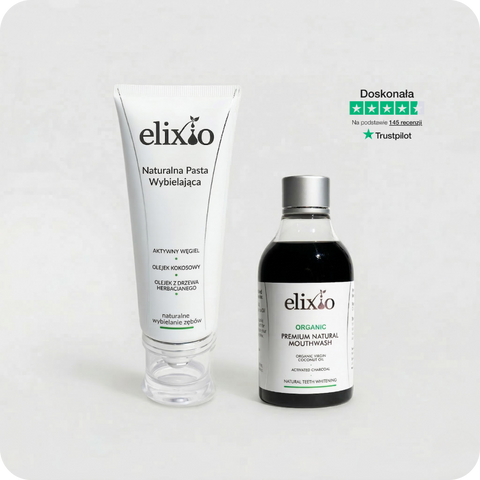
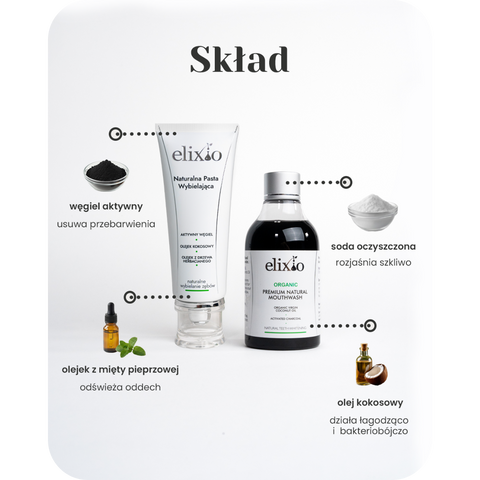
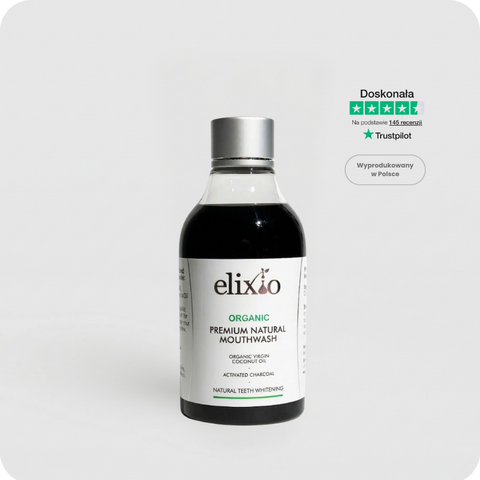
Elixio oil for oil pulling
Elixio Coconut Oil Pulling Mouthwash is available as a single item and in multipacks. It is a ready-made option for people who want to add oil pulling to their routine without preparing a product themselves.
FAQ
Do refined and unrefined coconut oils taste the same?
No. Processing can affect aroma and flavour. The choice depends on the product formula and personal preferences.
Should the oil be liquid?
Not always. Coconut oil naturally changes between solid and liquid depending on temperature.
Can you add an essential oil yourself?
This is not a good idea without knowing the safe concentration and intended use of that ingredient. Essential oils can irritate the lining of the mouth.
How can you tell if the product has spoiled?
Look for an unusual, rancid smell or a change in taste or appearance that does not match the description. Check the expiry date and the manufacturer's recommendations.
This article is educational and does not replace a dental consultation.