

Questions about fluoride during pregnancy often arise because parents want to separate real risks from headlines based on individual studies. Current dental and obstetric guidance does not advise pregnant people to stop brushing with fluoride toothpaste. The practical priorities are using toothpaste as directed, spitting it out and avoiding unnecessary fluoride supplements.
The short answer
Brushing twice a day with fluoride toothpaste remains part of routine oral care during pregnancy. Toothpaste acts mainly on tooth surfaces and should be spat out after brushing. Correct toothpaste use should not be treated as equivalent to swallowing large amounts of fluoride or to exposure from other sources.
Researchers continue to study prenatal fluoride exposure. Observational findings do not prove that ordinary use of fluoride toothpaste lowers a child's intelligence. Major dental and obstetric organisations continue to recommend preventive oral care during pregnancy.
Why are the studies difficult to interpret?
Media reports often combine several different exposures: naturally occurring fluoride in water, fluoridated drinking water, supplements, professional dental products and topical use of a small amount of toothpaste. These differ in dose, route and duration.
Observational studies can identify associations but cannot always establish cause and effect. Diet, socioeconomic factors, environmental pollutants, maternal health and the method used to estimate exposure can influence results. A study based on urinary fluoride levels cannot automatically be translated into a claim that normal toothbrushing is dangerous.
Oral-care guidance during pregnancy
Pregnancy can increase the likelihood of bleeding gums, nausea, frequent snacking and acid reflux. Good daily care is therefore especially important:
- brush twice daily for about two minutes,
- use a soft toothbrush and fluoride toothpaste,
- clean between the teeth once a day,
- seek dental advice for pain, swelling or persistent bleeding,
- do not postpone necessary dental treatment solely because of pregnancy.
Does fluoride from toothpaste enter the body?
A small amount may be swallowed accidentally, but the intended use is topical. Use an appropriate amount, avoid swallowing and do not take fluoride supplements unless a qualified clinician recommends them. Anyone with kidney disease, unusual fluoride levels in local water or other relevant medical factors should discuss total exposure with a doctor or dentist.
What if toothpaste triggers nausea?
A strong mint flavour or heavy foaming can worsen nausea. A smaller toothbrush head, a milder flavour, short breaks and brushing at a better-tolerated time of day may help. Check the ingredients and cavity-protection claim of any alternative toothpaste instead of choosing by flavour alone.
What should you do after vomiting or reflux?
Stomach acid temporarily softens enamel. Rinse with water and wait about 30 minutes before brushing rather than scrubbing immediately. Frequent vomiting or reflux should be discussed with the clinician managing the pregnancy and with a dentist.
Common myths
Fluoride toothpaste must be avoided during pregnancy
Major dental and obstetric organisations do not give this general advice. They support routine oral hygiene with fluoride toothpaste.
Every fluoride exposure is the same
Dose, route and source matter. Topical brushing followed by spitting is different from swallowing a supplement or drinking water with unusually high fluoride levels.
Dental care must wait until after delivery
Untreated pain and infection can worsen. Necessary preventive, diagnostic and restorative care can be provided during pregnancy with appropriate clinical assessment.
FAQ
Can whitening toothpaste be used during pregnancy?
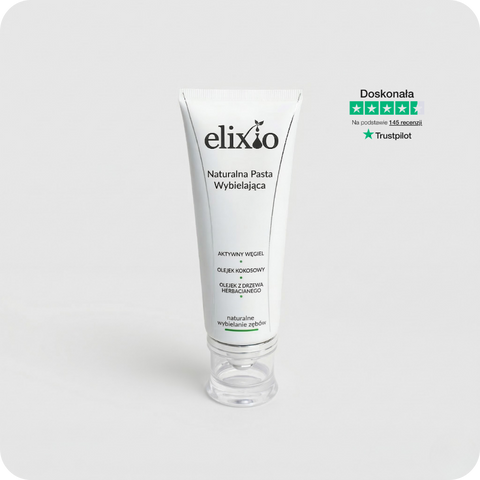
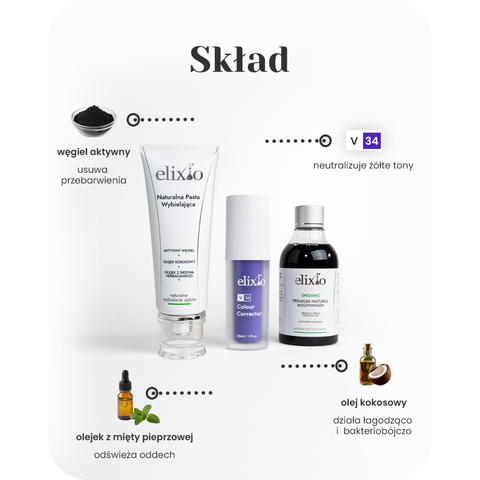
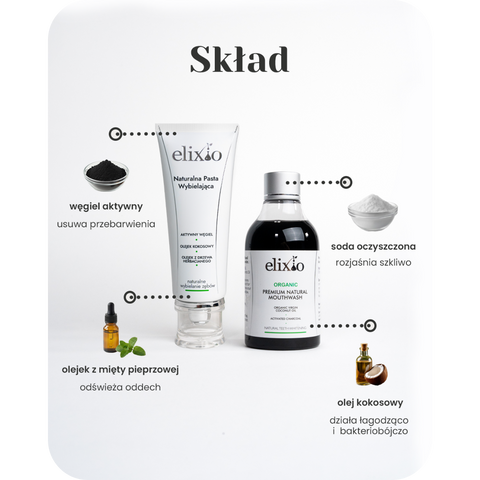
If you have sensitivity, gum bleeding or nausea, prioritise gentle cleaning and cavity prevention. Discuss cosmetic treatments with a dentist and do not assume that all products labelled whitening work in the same way.
Should fluoride supplements be used?
Do not take them without an individual professional recommendation.
When should you contact a dentist?
Arrange care for pain, swelling, discharge, trauma, persistent gum bleeding or suspected decay.
Summary
Current guidance does not support abandoning normal brushing with fluoride toothpaste during pregnancy. Use a sensible amount, spit it out, maintain regular hygiene and seek individual advice for unusual medical or environmental exposure.
Sources
This article is educational and does not replace individual medical or dental advice.