

Red wine is one of the drinks that can quickly change the appearance of your smile. Some people notice darker deposits after just one evening, while regular drinking can gradually make stains more established. This does not mean that every sip permanently changes tooth colour. Most often, pigments attach to the enamel surface and dental plaque.
The best strategy is not to scrub your teeth aggressively immediately after wine, but to limit how long the drink remains in contact with enamel, drink water and maintain thorough daily hygiene.
Why does red wine leave stains?
Visible staining results from a combination of intense pigments, tannins and the drink's acidity. Pigments can attach to dental plaque and microscopic irregularities in enamel. An acidic environment can temporarily make tooth surfaces more vulnerable to abrasion, so vigorous brushing immediately after wine is not a good idea.
Stains are usually more visible when:
- there is a large amount of plaque or tartar on the teeth,
- wine is sipped slowly for several hours,
- strongly colouring foods are eaten at the same time,
- saliva does not rinse the mouth effectively,
- enamel is uneven or older fillings have a different surface texture.
Does white wine not stain teeth?
White wine contains fewer dark pigments, but it is still acidic. It may not leave such visible deposits by itself, yet it should not be considered neutral for enamel. Drink water after any acidic beverage and avoid immediate, forceful brushing.
What can you do while drinking red wine?
Drink water between servings
Water helps rinse away some pigments and food residue. The simplest approach is to take a few sips between servings of wine and drink a glass of water after the meal.
Do not hold the drink in your mouth for long
Tasting does not have to mean repeatedly rinsing wine around the entire mouth. The longer the contact with enamel, the more opportunities pigments have to settle.
Eat a normal meal instead of sticky snacks
Sticky and strongly colouring foods can increase the amount of residue. This is not about creating a rigid list of forbidden foods, but about limiting hours of snacking on products that stick to teeth.
Do not smoke
The combination of tobacco deposits and pigments from drinks can worsen the appearance of teeth much faster. Smoking also affects gum health and the rest of the mouth.
When should you brush after wine?
After an acidic drink, rinse with water first and give saliva time to neutralise the environment. Do not scrub your teeth immediately after the last glass. Evening brushing is still essential, but it should be gentle, with a soft toothbrush and without excessive pressure.
If the evening runs late, do not skip hygiene completely. Clean your teeth before bed and remember the interdental spaces.
How can you remove red-wine stains?
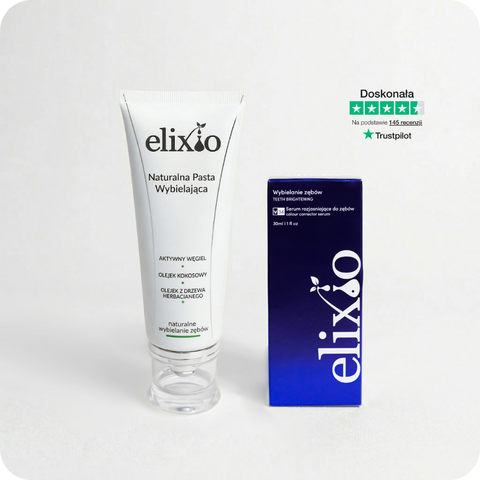
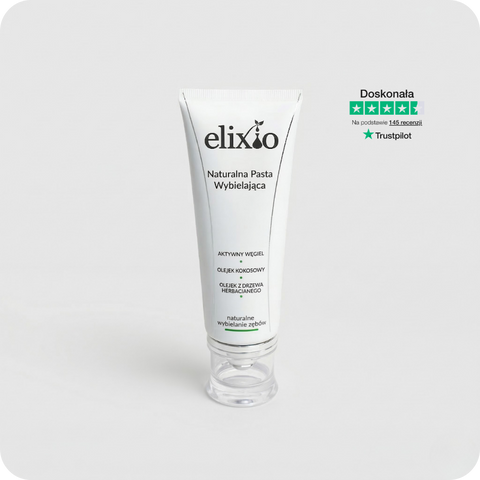
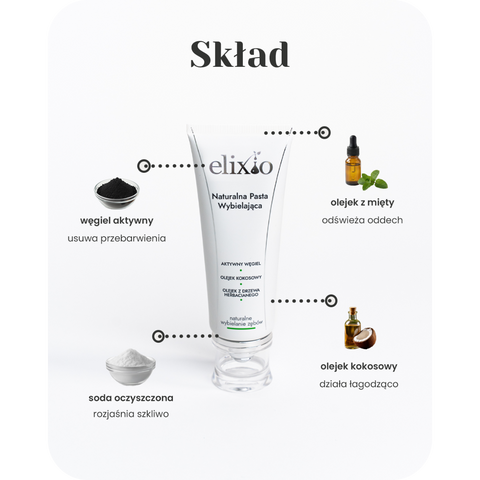
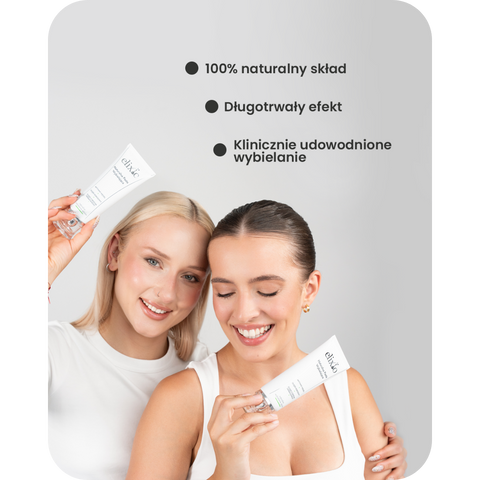
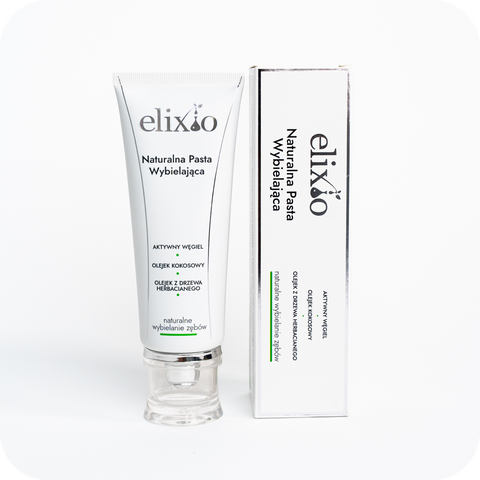
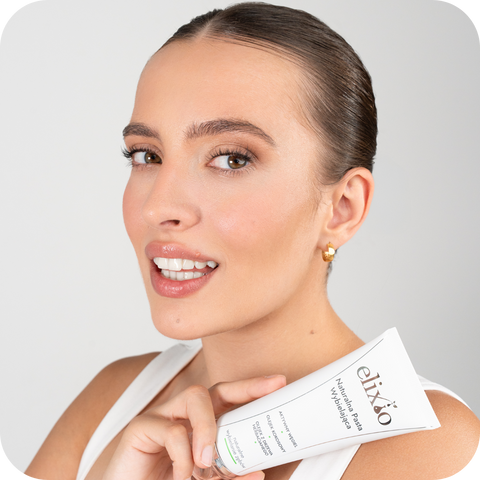
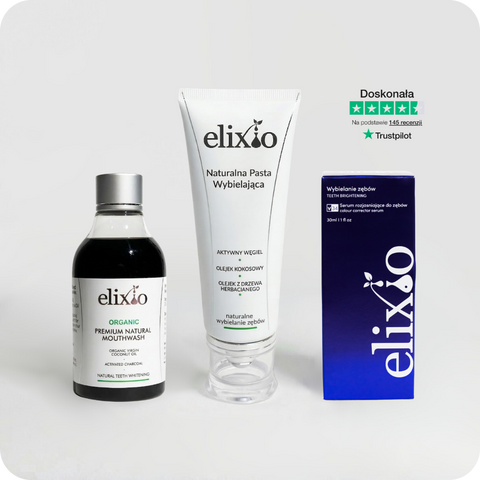
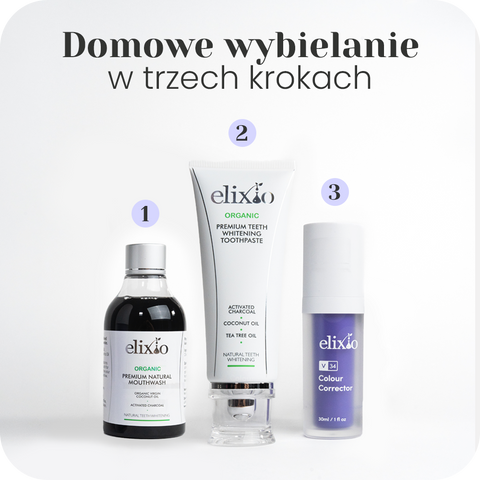
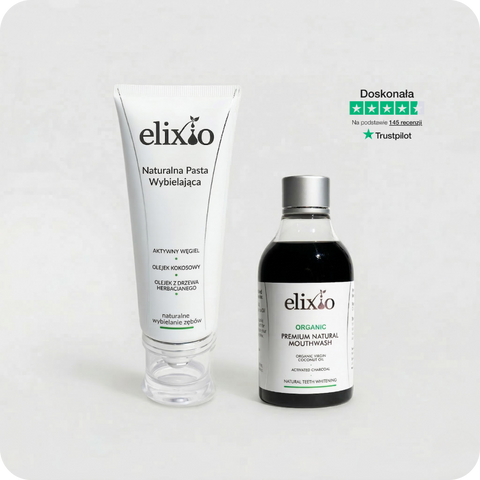
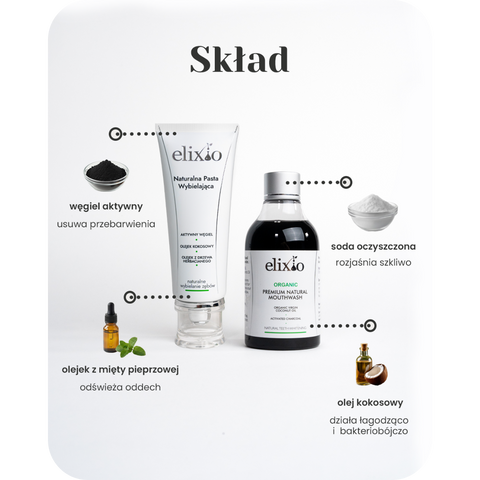
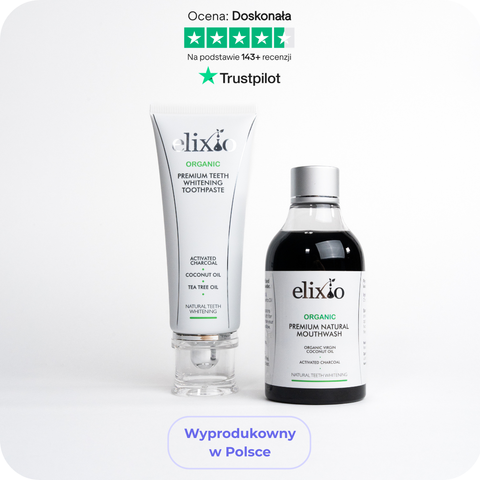
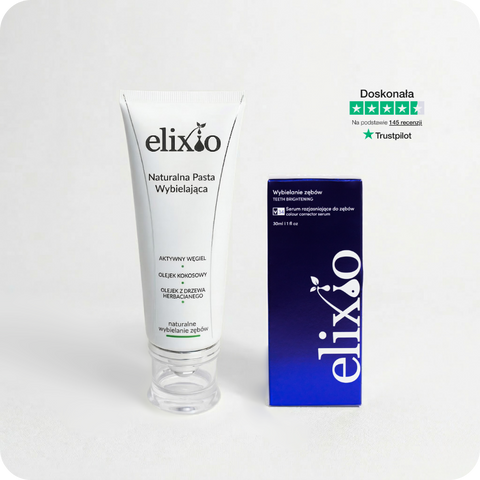
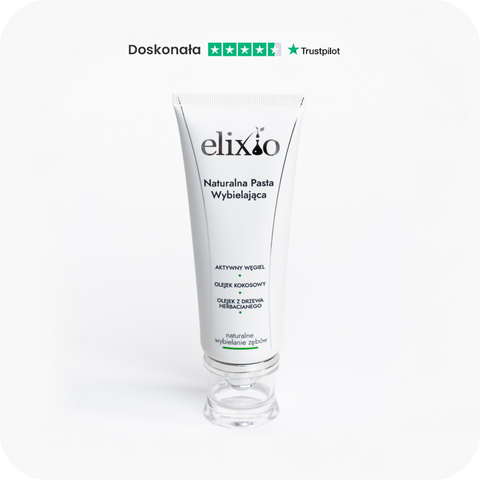
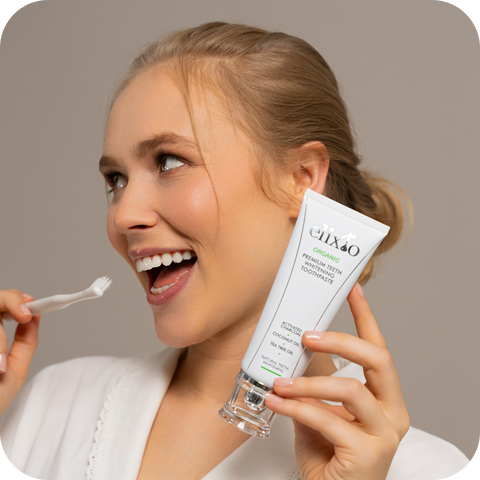
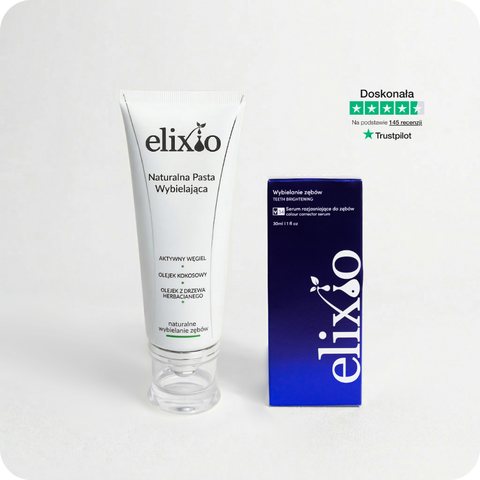
Fresh deposits can often be reduced by improving daily brushing. Whitening toothpaste mainly helps remove surface stains mechanically. You can add Elixio whitening toothpaste to your routine and use it according to the directions.
Do not expect toothpaste to change the natural colour of a tooth or lighten a crown, veneer or filling. Dental materials do not respond to whitening products in the same way as natural tooth tissues.
Common mistakes
- Brushing hard immediately after an acidic drink.
- Using baking soda, lemon or salt for home whitening.
- Sipping one glass throughout the evening without drinking water.
- Skipping interdental cleaning even though stains collect between teeth.
- Trying to whiten tartar with toothpaste.
- Ignoring discolouration of just one tooth.
When is professional cleaning needed?
If stains remain despite regular care, they may sit on tartar or be firmly established. Professional cleaning will then be more effective. A dentist or hygienist can also assess whether a dark spot is a stain, decay, a leaking filling or another change.
A plan for the day after a social event
- Brush for about two minutes in the morning.
- Clean between your teeth.
- Do not try to compensate by pressing the toothbrush harder.
- Drink water and limit additional staining drinks during the day.
- If sensitivity develops, monitor it and consult a dentist if it does not settle.
Similar principles apply to coffee and tea. See our guide to how coffee affects tooth colour.
FAQ
Does drinking red wine through a straw make sense?
A straw may reduce contact with the front teeth, but it does not prevent contact with the entire mouth. In practice, a shorter drinking period and water between servings matter more.
Does cheese protect teeth from wine?
A meal can affect conditions in the mouth, but it does not create a permanent barrier against pigments. Water and daily hygiene are still needed.
Will V34 remove red-wine stains?
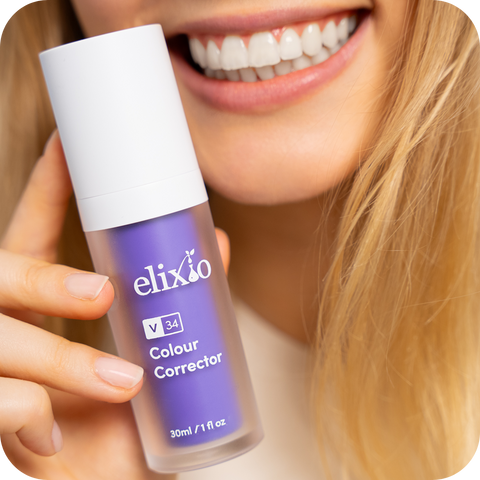
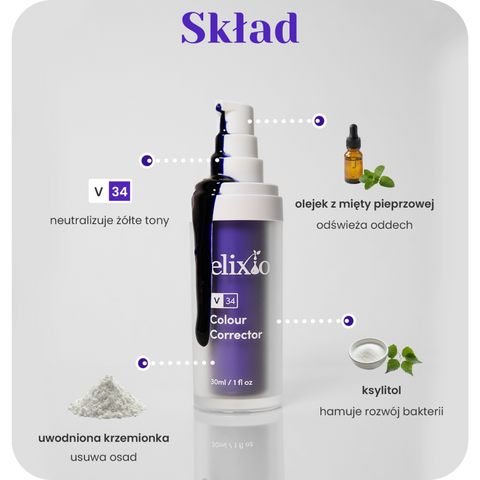
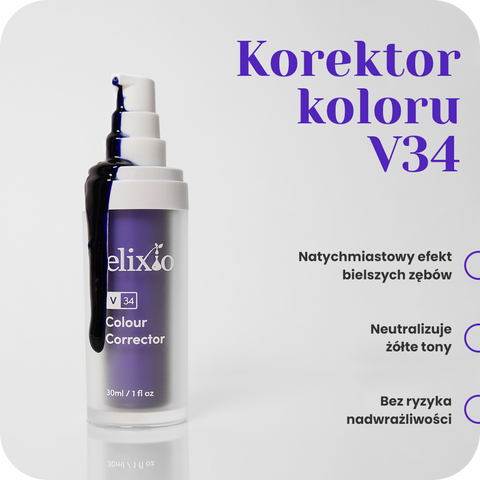
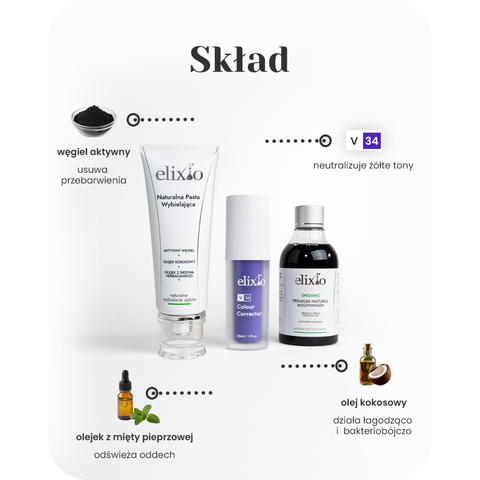
V34 temporarily and optically neutralises some yellow tones. It does not remove plaque, tartar or pigments. Cleaning requires brushing, toothpaste and, when necessary, professional hygiene.
Will one evening leave permanent stains?
Temporary deposits are usually superficial. If marks do not disappear with proper hygiene, ask a dentist to assess them.
Summary
Red wine can stain teeth, but you can reduce the risk. Drink water, avoid sipping for several hours, do not scrub immediately after wine and clean thoroughly in the evening. Established stains and tartar should not be removed with aggressive homemade methods.