
Oil pulling does not replace brushing your teeth. Rinsing with oil can be an additional care step, but it does not perform all the functions of a toothbrush, fluoride toothpaste and tools for cleaning between the teeth. Giving up normal hygiene in favour of oil alone increases the risk of leaving plaque behind.
What does brushing do that oil pulling does not?
A toothbrush mechanically disrupts and removes plaque from tooth surfaces and around the gumline. Fluoride toothpaste helps protect enamel against decay. Oil does not provide the same mechanical cleaning or deliver fluoride.
Why does plaque need mechanical removal?
Plaque is a sticky biofilm that adheres to the teeth. Simply rinsing your mouth, whatever liquid you use, does not remove it as effectively as correctly using a toothbrush. The gumline and back teeth need particular attention.
Does oil pulling replace flossing?
No. Toothbrush bristles have difficulty reaching between teeth, and rinsing alone does not thoroughly remove plaque and debris from those spaces. Floss, interdental brushes or an oral irrigator selected for individual needs are used to clean these areas.
Can it replace mouthwash?
Not always. Mouthwashes have different purposes and ingredients. Some contain fluoride; others are recommended temporarily by a dentist. Coconut oil is not automatically equivalent to every mouthwash.
How should you combine oil pulling with brushing?
- Do oil pulling before brushing.
- Use a small amount of oil.
- Swish gently and do not swallow the product.
- Spit the oil into a bin.
- Brush your teeth for about two minutes.
- Clean between your teeth.
What should a basic oral-hygiene routine include?
- Brushing morning and evening.
- Toothpaste with an appropriate fluoride content.
- Daily cleaning between the teeth.
- Tongue cleaning if needed.
- Regular dental check-ups.
- Professional cleaning at intervals recommended by a dental professional.
What role can oil pulling play?
It can be an additional routine that gives a feeling of freshness and encourages more mindful care. Its role is primarily to complement the routine, not replace it.
Does oil pulling treat tooth decay?
No. Tooth decay is a disease process requiring assessment and often dental treatment. Oil pulling cannot rebuild a cavity or replace a filling.
Does it help remove tartar?
Hardened tartar cannot be safely removed with oil or a toothbrush. It requires professional scaling. Trying to scrape off tartar at home can damage gums and enamel.
Common dangerous myths
- “You do not need to brush after oil pulling.”
- “Oil will heal a cavity.”
- “Long rinsing removes tartar.”
- “You can give up fluoride.”
- “Toothache will go away without a dental check-up.”
When should you not postpone a dental appointment?
Consult a dental professional if you have pain, swelling, bleeding gums, a loose tooth, persistent bad breath despite oral hygiene, sensitivity or a visible cavity. An additional routine must not delay diagnosis.
Oil as an addition to your routine
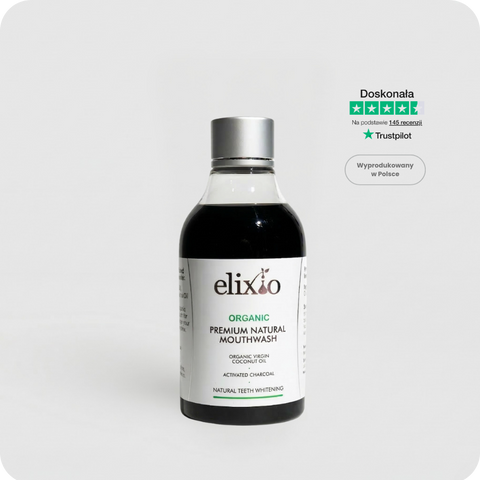
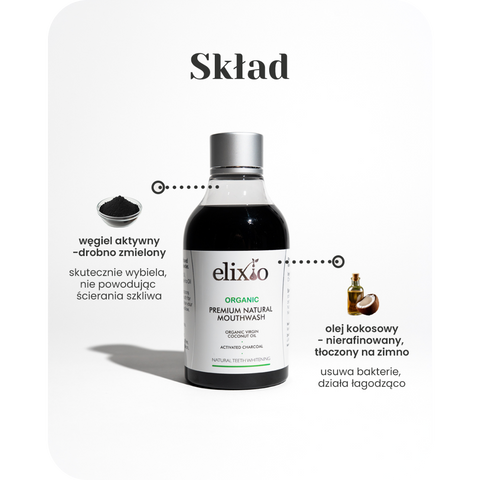
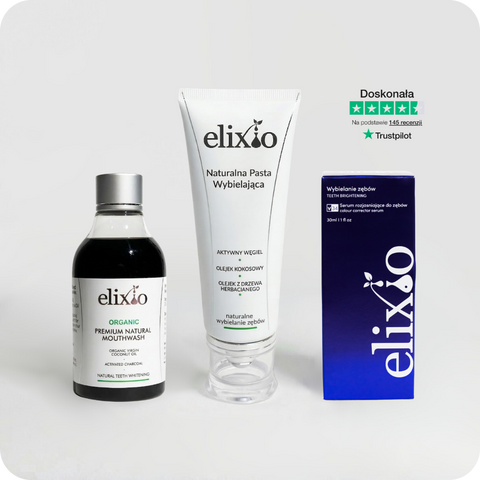
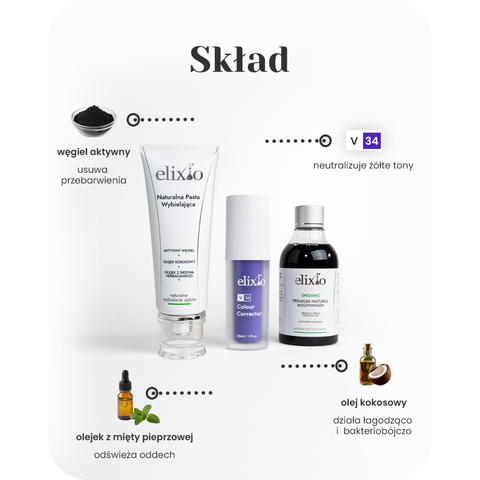
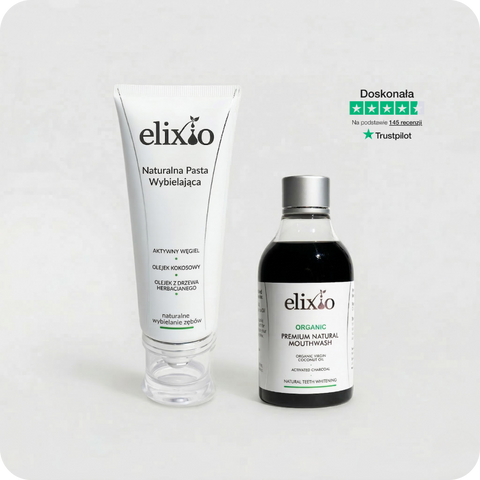
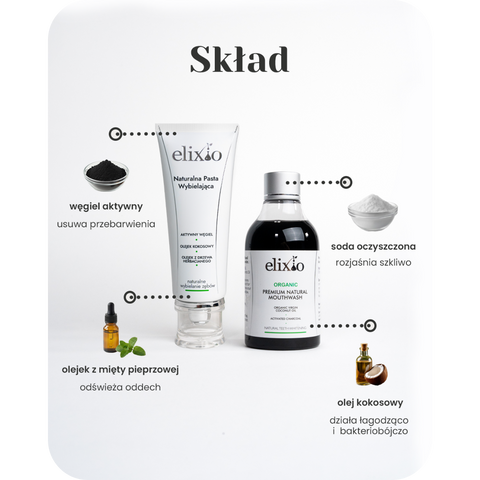
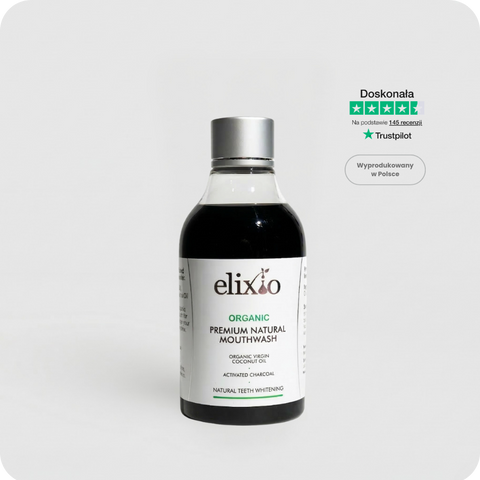
If you want to add oil pulling to standard hygiene, explore Elixio Coconut Oil Pulling Mouthwash. Use it according to the instructions, before brushing.
FAQ
Can you just rinse with water after oil pulling?
Water does not replace brushing afterwards. You still need to brush your teeth.
Does oil pulling remove bacteria?
It may affect the oral environment, but that is not a reason to give up methods with an established role in preventing decay and gum disease.
Can you use oil instead of floss?
No. Floss or an interdental brush mechanically cleans areas that rinsing does not reach effectively.
What is the most important part of evening oral hygiene?
Thorough brushing and cleaning between the teeth before bed.
This content is informational and does not constitute medical advice.